
CEOs, Your Next Personal Assistant Need Not Be Human
QbitAI tries Zleap’s agent appliance, exploring information collection, automated reports, source tracing, report-specific Q&A, and Jomy’s product strategy.
Agents are now taking an interest in the work of a CEO's personal assistant.
Imagine a company-wide daily news briefing that updates independently every day, is fully locally deployed, and works out of the box.
The CEO can even carry the device around.
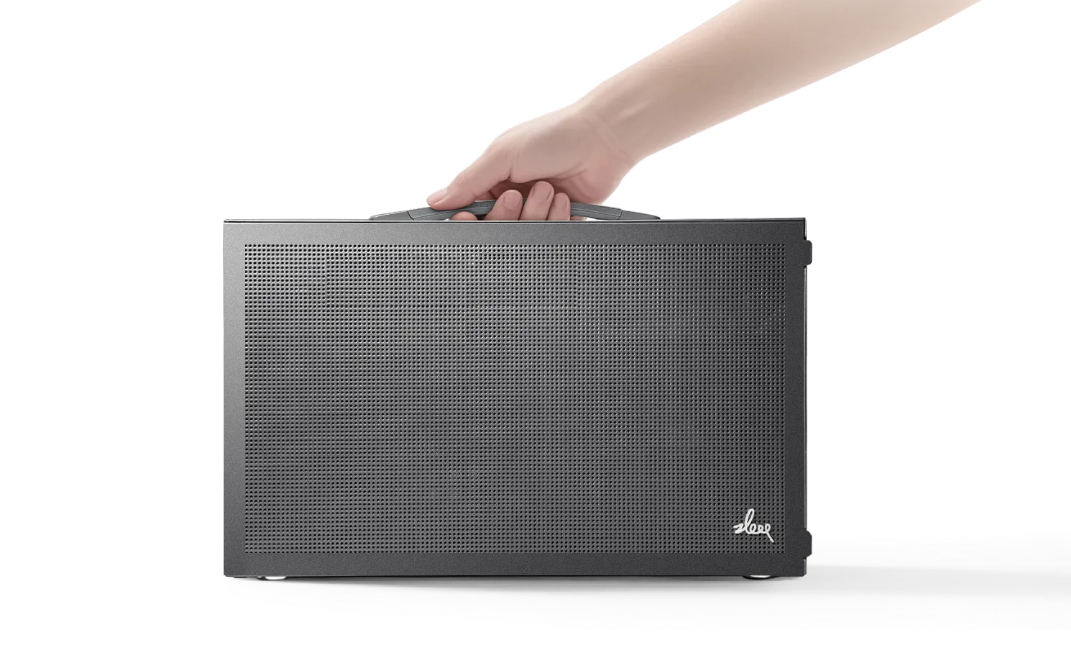
The chassis is about the size of an A4 sheet. Here it is beside an iPhone 15 Pro Max:
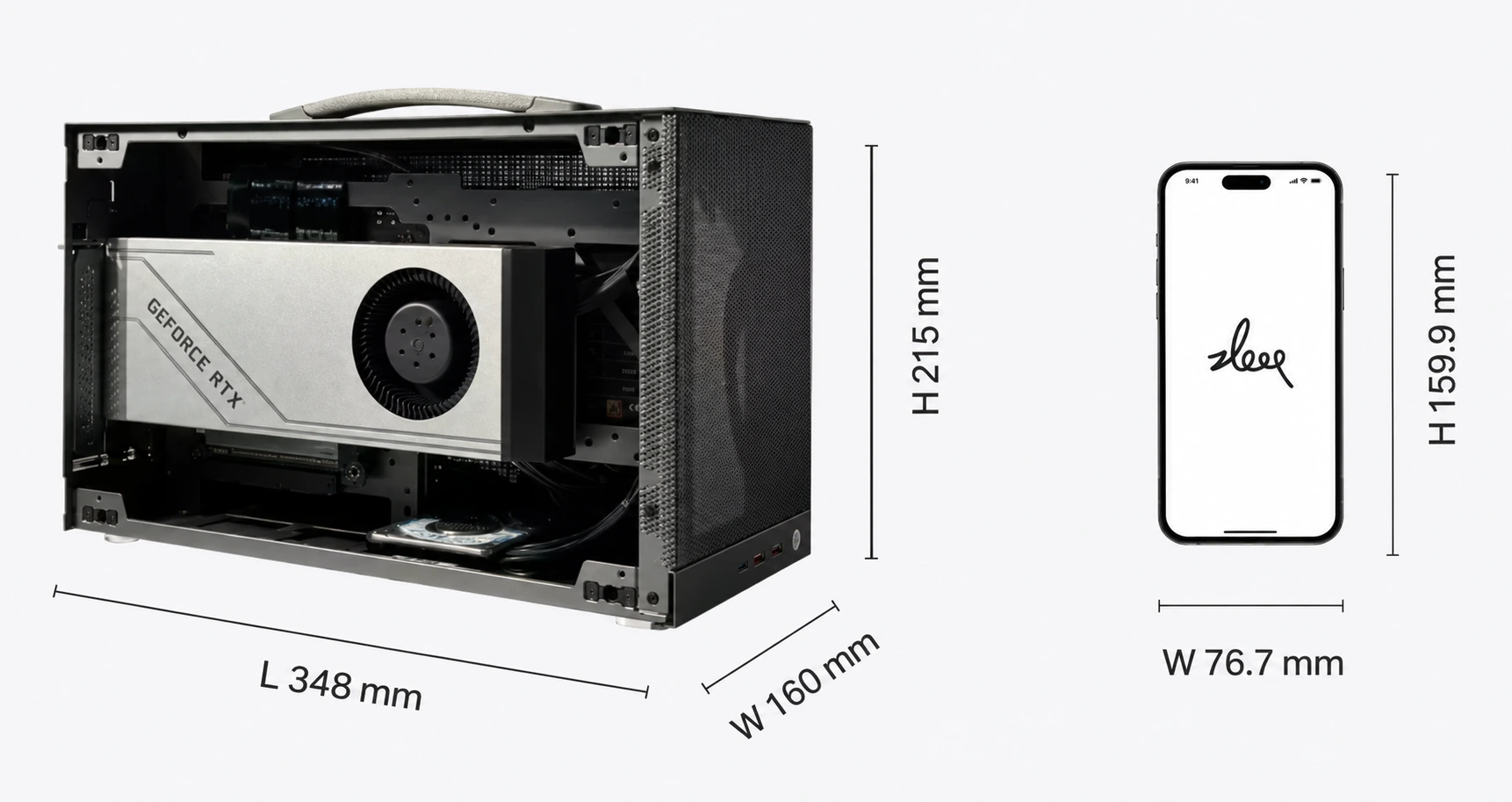
This is the Zleap agent appliance. What makes it interesting is its clear audience: it is the first integrated hardware and software, privately deployed agent product on the market built specifically for CEOs.

In this “first year of agent applications,” even new AI hardware is developing distinctive roles.
The QbitAI editorial team tried it firsthand, briefly taking the CEO's seat to see how AI hardware is evolving in 2025.
An information management assistant ready to use
Conventional AI appliances generally provide compute and models. Buyers usually still need a dedicated development team.
Zleap's appliance has a different positioning and product concept.
It packages hardware, software, compute, and preinstalled agents into a compact chassis, paired with an app for immediate use.
The hardware uses a 12-liter chassis and one RTX 4090, making it a compact agent solution.
Data processing and storage can take place locally without external cloud compute. This supports fast responses while avoiding transmission latency and security risks.
The software is built in-house specifically for management, including an operating system and a custom app.
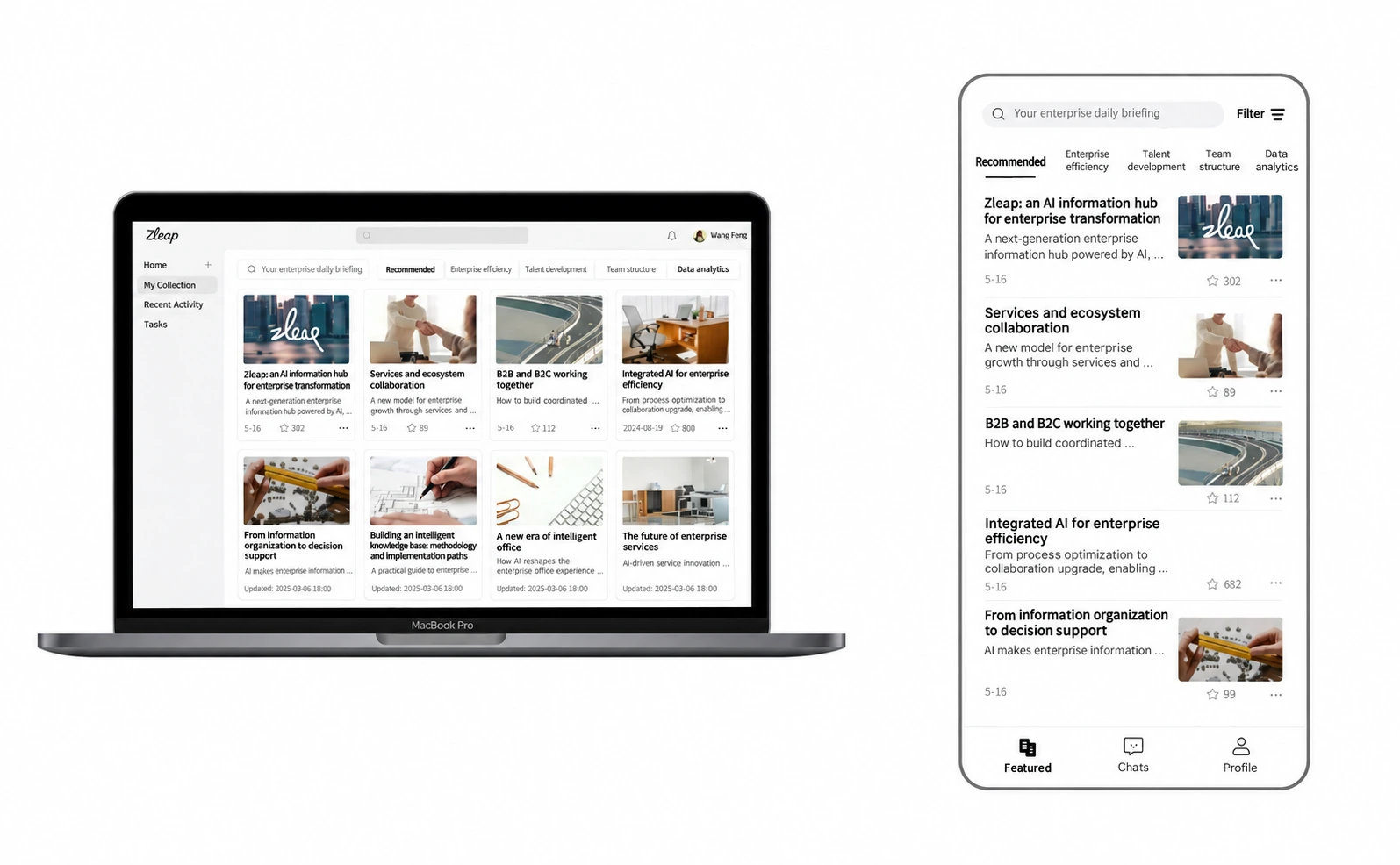
This integration makes the appliance ready to use out of the box. Plug it in, configure it, and begin within an hour.
Our hands-on test did not require specialist technical assistance. We completed the basic setup ourselves.
First, add the information sources used to generate reports in the administration interface. You can upload local documents or connect internal messaging systems such as Feishu and DingTalk.
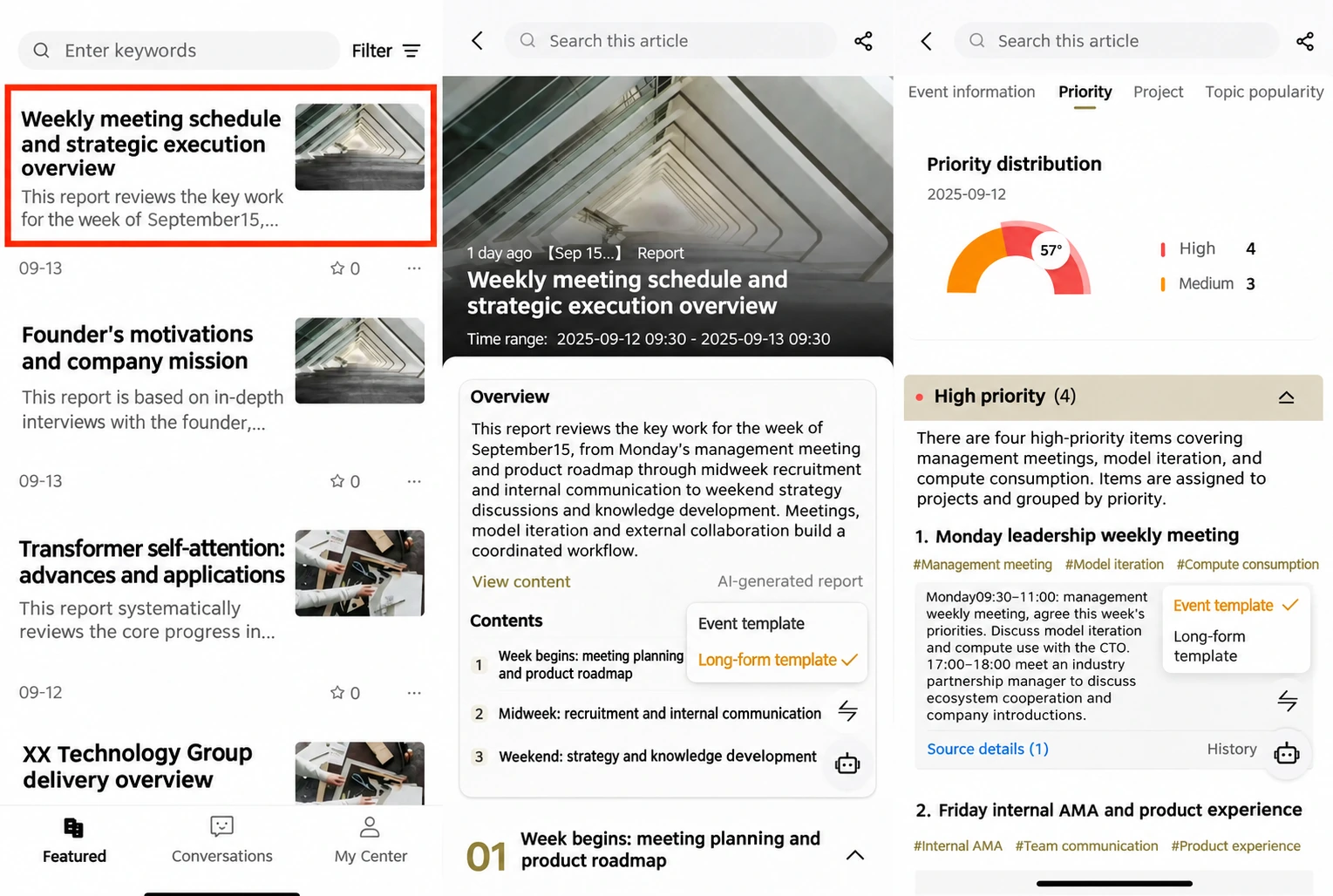
We used a weekly schedule as an example.
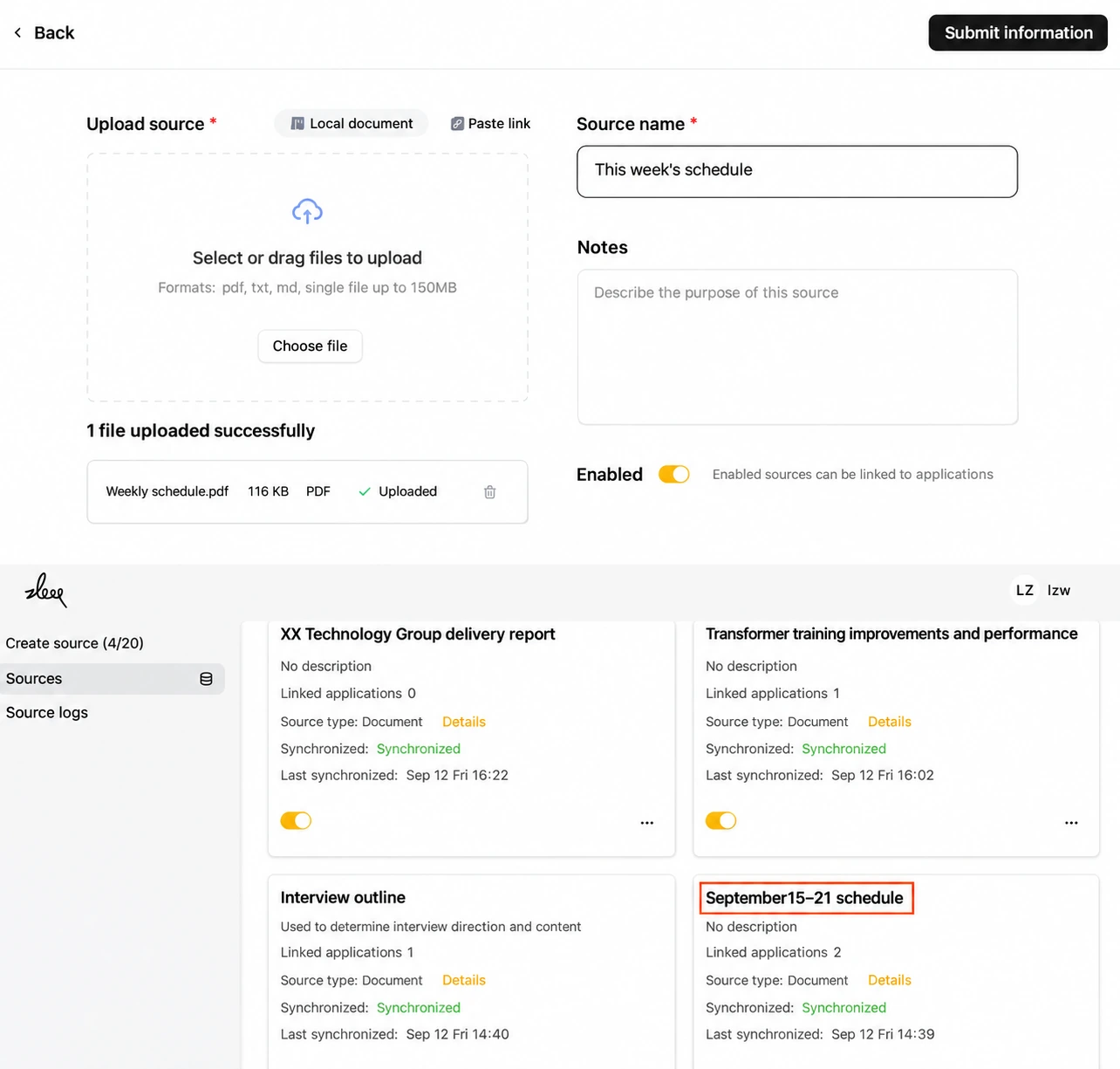
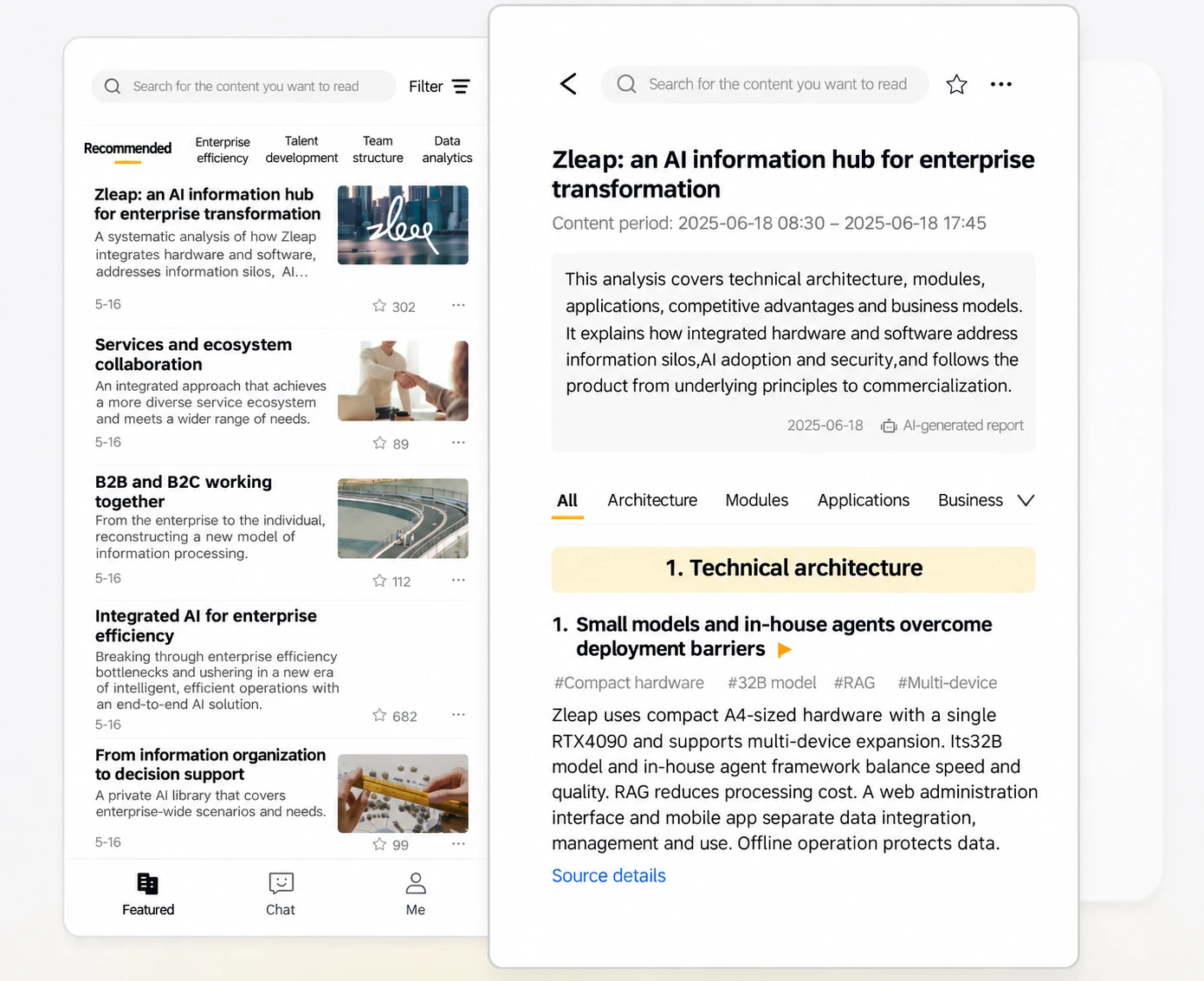
After generating a report, it appeared in the mobile app's daily briefing list. Reports offer long-form and event views, summarize the project, connect back to original information, and analyze the data.
Long-form mode provides detailed analysis of work progress. Event mode emphasizes the priority of individual items.
For the weekly schedule, AI selected the most important events, such as the management meeting and an investor meeting, while assigning weekend rest a medium priority.
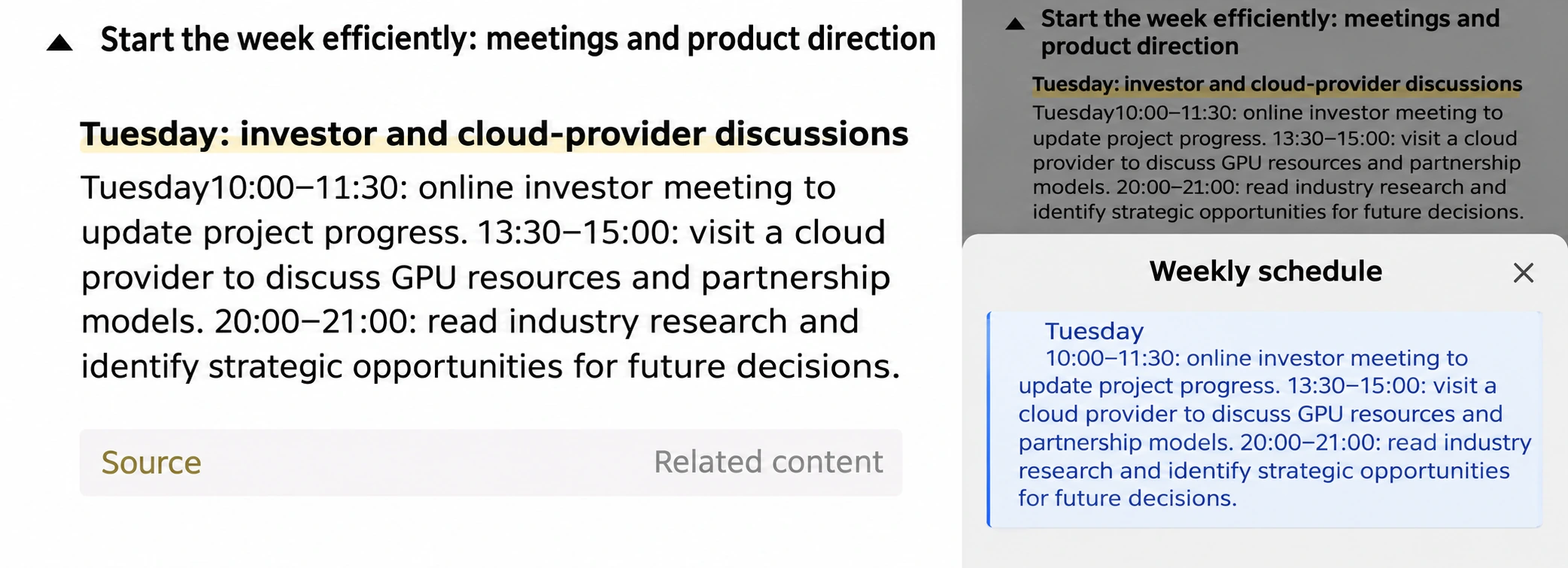
More importantly, every item in the report can be traced to its source, supporting subsequent decisions.
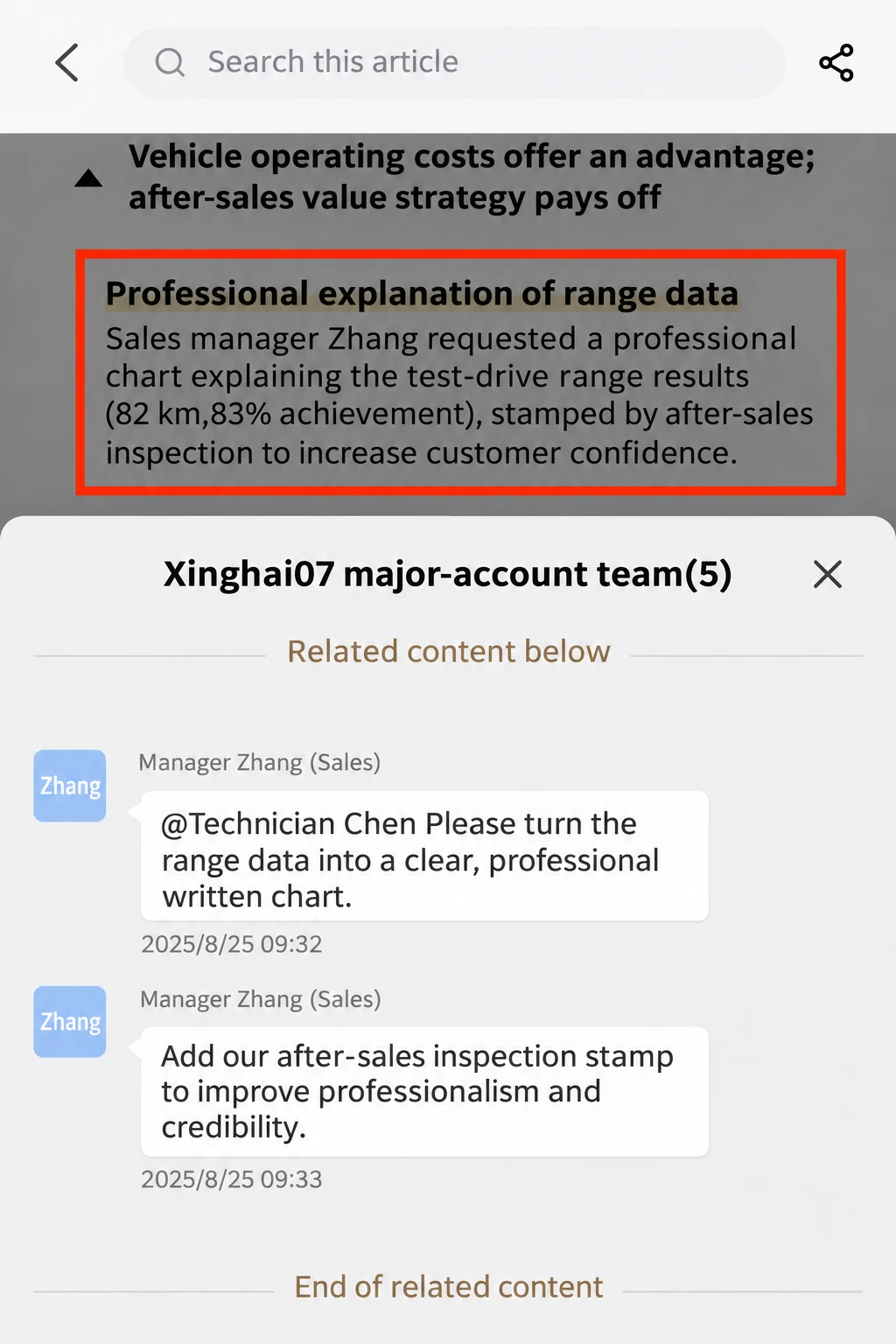
Source tracing can locate specific group-chat messages. In a product delivery report, for example, the conversation reveals updates to project progress.
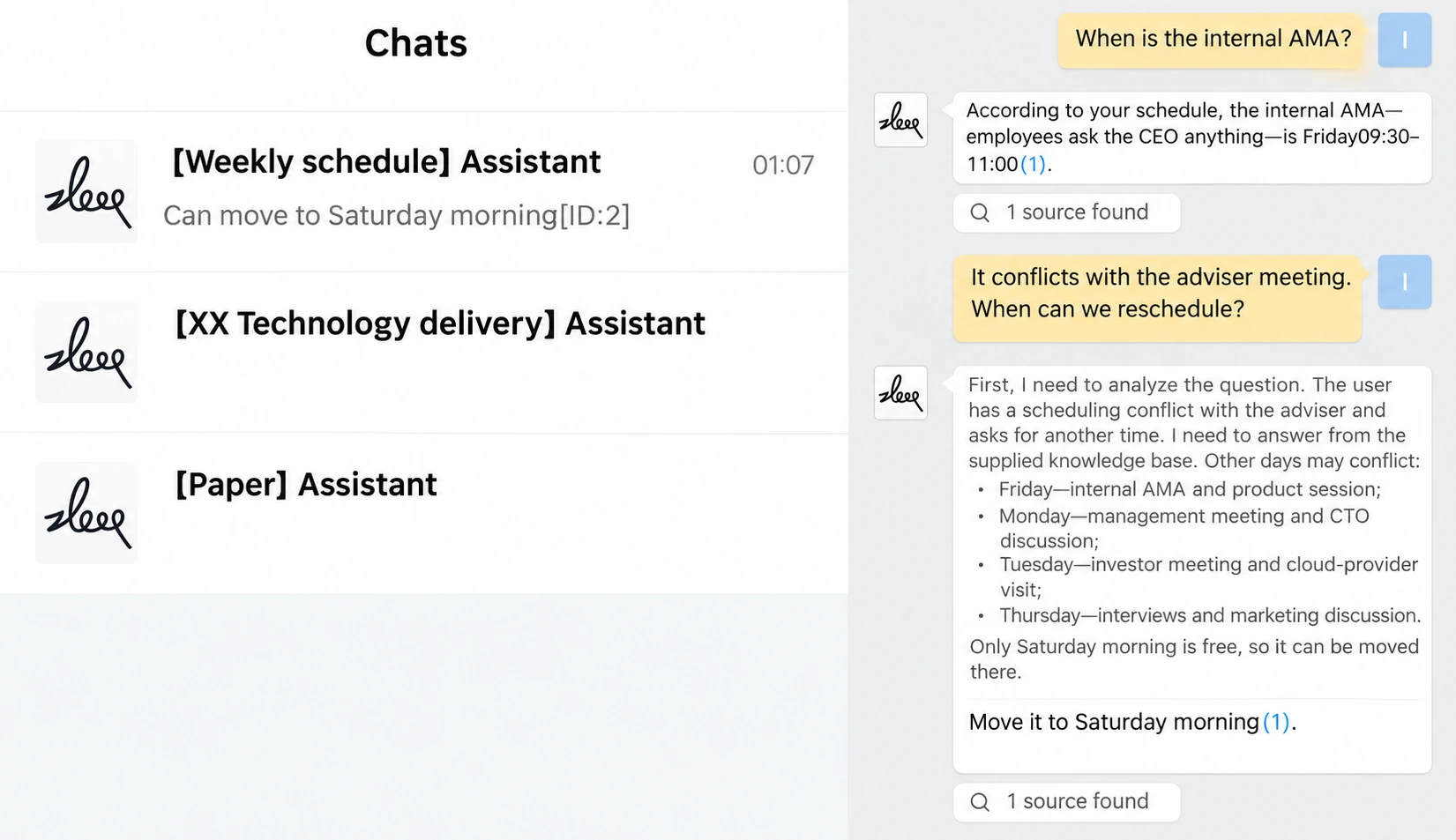
Each report also has its own dedicated question-answering assistant.
By focusing on a single project report, it can provide targeted, quick, evidence-based answers, reducing compute costs and improving accuracy.
This agent appliance designed for CEOs and managers is effectively a management assistant that actively collects, intelligently processes, and clearly presents information.
Its functions support management challenges and decision efficiency. A complete operating system and straightforward interface make it accessible to managers unfamiliar with complex technology.
The convenience resembles a finished NAS product: a mature built-in operating system makes data management accessible to ordinary users. With Zleap, a CEO powers up the appliance and opens the app to gain a company-wide view.
Two defining characteristics are compact size and specialization.
Its functions can be summarized in four areas:
- Direct access to facts. Connecting internal systems such as Feishu and DingTalk enables reports that are not filtered through successive management layers.
- Development visibility. Automatic monitoring of commits and task status provides a real-time view of project progress, including for nontechnical managers.
- Accumulated conversational knowledge. Interactions with agents, synchronized meeting notes, and project documents become a searchable, queryable structured knowledge base, preserving historical evidence for later decisions.
- Security and confidentiality. Local deployment keeps core enterprise data on the device without connecting it to an external cloud.
Starting with CEOs to create an agent appliance category
After trying it, we could see the appeal of an appliance built specifically for CEOs.
Our boss's reaction to the hands-on report looked something like this:

We also wanted to know how this seemingly niche design came about.
Zleap CEO Jomy told us it originated in the management problems he had faced over ten years as an entrepreneur:
The more people there are, the harder it becomes to know what they are actually doing.
Jomy began as a programmer. He has spent ten years building businesses and is also CEO of a well-known enterprise AI resource platform in China. As his company grew from a handful of people to more than a hundred, meetings multiplied while the problem grew worse.
He sought advice from other CEOs and found it widespread. As a company grows, its leader increasingly worries about filtered information: not hearing the truth, not seeing progress, and not finding information.
The central challenge is information.
Could technology improve this?
A breakthrough became possible this year. In 2025, small models with several billion parameters substantially outperform the original 175-billion-parameter GPT-3. Advances in reasoning models have particularly improved output quality.
Using small models and local compute to collect, process, and present information has become practical.
There is an opportunity here. Large companies have management solutions, but they are expensive and may not fit smaller businesses. At the same time, improving CEOs' and managers' effectiveness can clearly improve company-wide operations by helping the business make sound decisions.
This explains the product's information-centered design, emphasizing lower deployment cost and stronger security and control.
Both the single RTX 4090 and integrated hardware-software design aim to provide stronger performance and security for information-focused agents at an efficient cost.
Zleap has already supplied an appliance to a fast-growing internet technology company.
Although its employees used Feishu for collaboration, rapidly expanding information volumes buried frontline feedback and project details in fragmented chat records.
Zleap's solution:
- Collect frontline support information and analyze chat records around the clock, extracting product issues and assessing response quality.
- Collect Feishu group chats, organize departmental progress, and generate reports from multiple perspectives.
During the first week, the system identified more than 30 important product issues that support staff had not manually reported.
AI-generated illustration.
In a high-tech manufacturing setting with stricter confidentiality requirements, the appliance also partly replaced messaging and office automation functions.
Zleap built an independent reporting system into the appliance, allowing employees to report through its app. Built-in end-to-end encryption and a direct app-to-appliance connection avoid intermediary relays and improve confidentiality.
The company describes the product as “more affordable, more secure, and more AI-driven” than other privately deployed alternatives.
Following the launch, several investment firms are discussing Series A funding with Zleap.
The key to deployment: engineering
Technically, the appliance's central challenge is retrieval-augmented generation, or RAG.
Jomy's team found no existing RAG solution that met the appliance's requirements.
Relying on general large-model capabilities would drive up costs and make compact, ready-to-use local deployment difficult. Open-source small-model approaches were often academic explorations that did not address real production problems.
To balance cost, efficiency, and effectiveness, Jomy emphasizes engineering capability.
An in-house RAG system
First is a proprietary RAG system.
Zleap says its development team built on GraphRAG with several changes:
- Multidimensional entity extraction: Extract entities from multiple perspectives, closer to human memory and association.
- Dynamic relationships: Establish relationships between entities at retrieval time rather than relying on a prebuilt knowledge graph, avoiding repeated relationship construction.
- Hallucination resistance: Use agent self-reflection to detect potential hallucinations and complete source tracing to mitigate their consequences.
Lightweight design powered by a small model
The appliance currently uses Qwen3-30B-A3B, with 30 billion total parameters and 3 billion active parameters.
Task decomposition and context engineering let small models handle work that might otherwise require large models, adapting to enterprise-specific information needs without fine-tuning.
The small-model approach also leaves room on a single RTX 4090 for embedding, reranking, and multimodal models.
Engineering the connectors
The team has also invested heavily in information-source connectors.
Integration is demanding work because different data sources require different processing. Simple, quick configuration is an important part of the experience.
The appliance provides connectors for commonly used enterprise tools such as Feishu and DingTalk. Entering a Feishu ID and API key, for example, can quickly connect its information to the appliance.
Zleap also shared the next directions for the product.
In depth, it plans to strengthen agents so they can do more than collect and present information. Simple management and decision tasks, such as approvals, would move the product from a CEO assistant toward a CEO's AI counterpart.
In breadth, it plans agents for developers, finance, legal, and other roles, integrated into the same appliance to improve productivity across more positions.
Faster agent innovation in vertical industries
Two-thirds of the way through the “year of agents,” specialized fields are producing more applications and revealing greater potential.
Beyond technical breakthroughs, identifying real use cases and understanding their underlying problems are becoming key competitive advantages.
Zleap has defined an agent appliance product around practical needs for affordability, compactness, and immediate usability, using engineering to establish an early position in this category.
Its CEO shared another lesson from customer work: traditional companies often know little about large models and lack relevant development teams. For rapid deployment, specialized solutions refined for real scenarios are more practical than general models.
At 302.AI, a platform with one of the broadest selections of AI resources in China and globally, we see many real enterprise AI needs. That helps us understand the problems in AI engineering. It is our greatest advantage.
Making even one scenario work well takes substantial engineering. We hope products such as the agent appliance can also encourage the industry to focus on more practical work in specific domains.
Zleap has made its enterprise knowledge-base and information-extraction capabilities available to try free on its website. The link is below and is also available through the original article.
Finally, the appliance price: RMB 68,000.
Would you spend that amount to bring this kind of agent onto your team?
Website: https://zleap.com.cn/