
An Executive Briefcase for Every CEO, for RMB 68,000
Xinzhiyuan reports on Zleap-D1, exploring CEO-focused information analysis, mobile use, local deployment, and multi-agent collaboration.
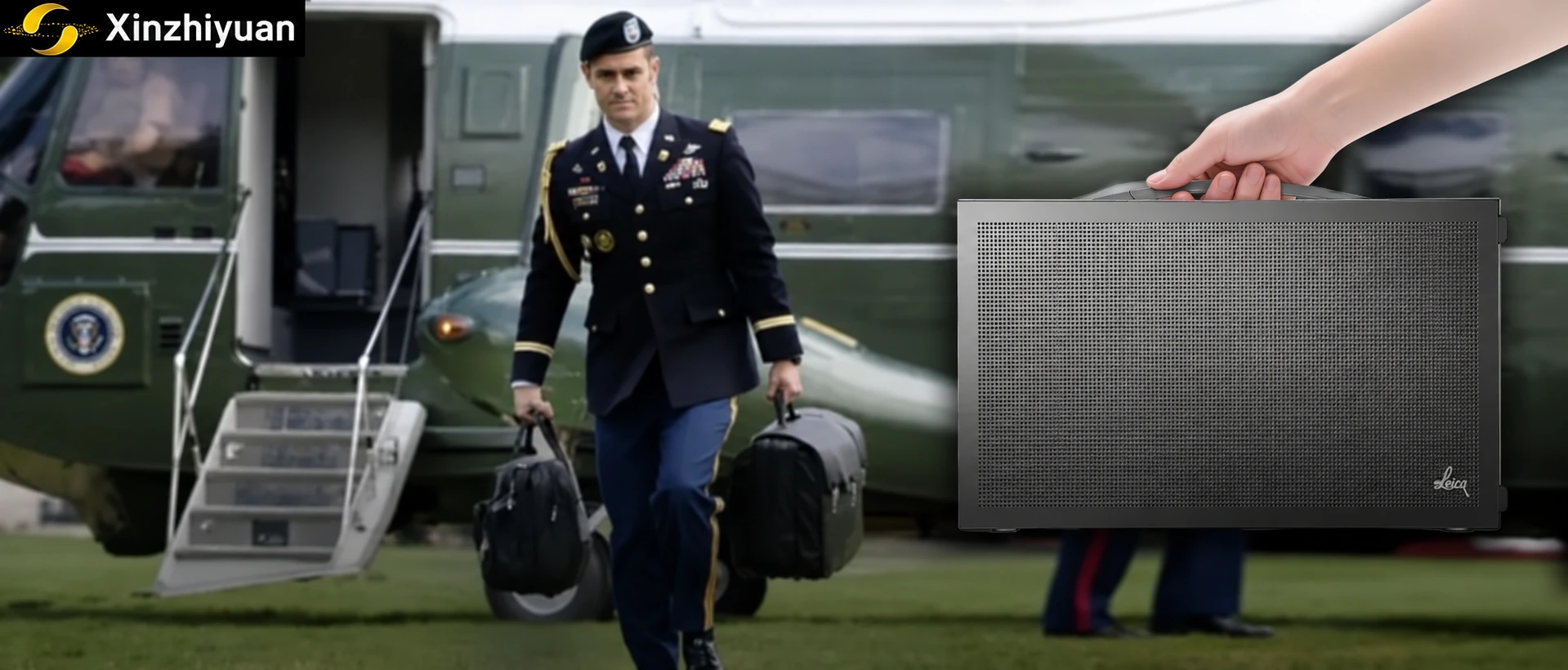
The world's first agent appliance designed specifically for CEOs has arrived. Like a presidential emergency briefcase, it aims to give decision-makers direct access to frontline information and remove information barriers.
Hollywood films often show a black briefcase accompanying the president.
Whether boarding Air Force One or traveling elsewhere, it follows close behind. Commonly called the “nuclear football,” it is formally known as the Presidential Emergency Satchel.
On aircraft, in motorcades, and at conference tables, the roughly 20-kilogram leather-and-aluminum briefcase remains nearby.

A military aide carrying the nuclear football in July 2021.
Inside is a complex identity authentication and code-verification system. During a national emergency, the case is opened, communication channels activate, and decisions require immediate execution.
Rather than examining the device's mechanisms or political design, consider what it reveals: information transmission has layers and costs. Even a president needs a dedicated device and verification process.
Companies have their own urgent situations:
- Accumulating customer complaints.
- Major product bugs that remain hidden.
- Unclear project progress.
- Breakdowns in internal communication.
If not identified and addressed early, these can have serious consequences.
Managers face a recurring problem: information is polished as it passes through organizational levels or adjusted in reports, leaving decision-makers distant from the original facts.
A new agent appliance designed for CEOs and senior managers aims to provide direct access to those facts.
A compact device like this could help leaders continuously understand complex organizational data.
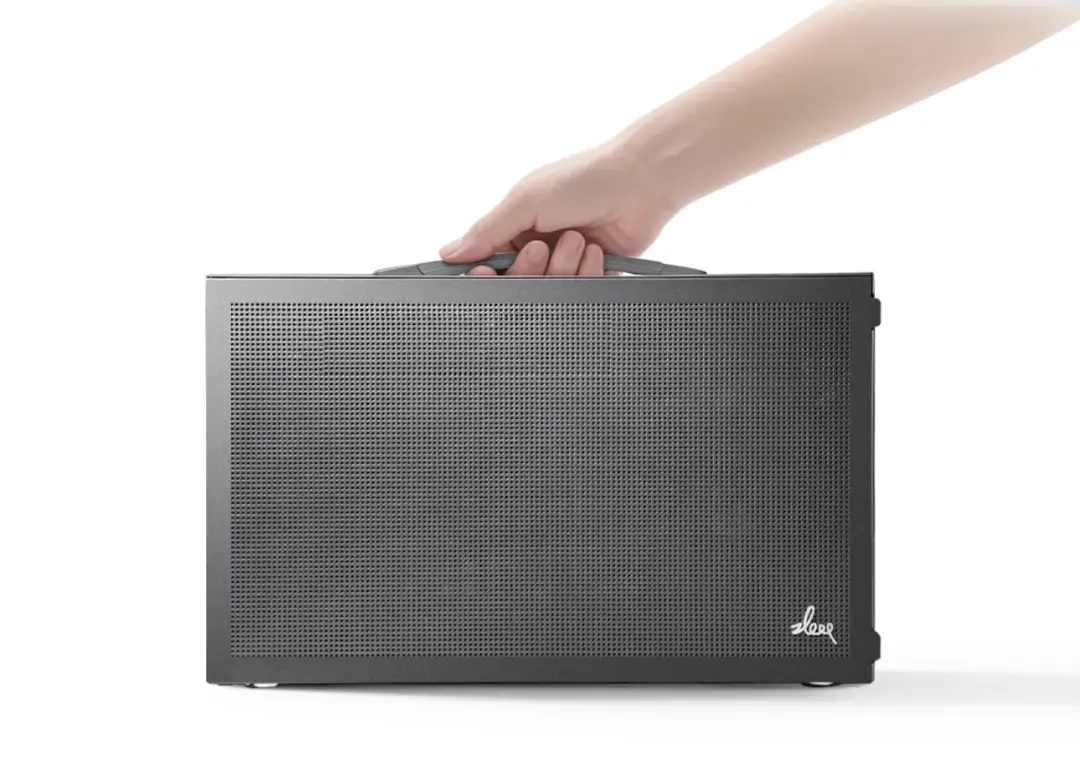
AI appliances are popular, but functionality remains limited
AI appliances were already gaining popularity before agent appliances appeared, especially after DeepSeek's rise early this year.
Whether marketed as AI compute appliances, large-model appliances, or training-and-inference appliances, their core is the model.
Combining compute hardware, an operating system, AI platform software, and training or inference makes local model deployment easier.
However, users still need to develop the applications that determine what questions to ask and what results to produce.
These appliances provide the intermediate infrastructure rather than the decision-ready outcomes.
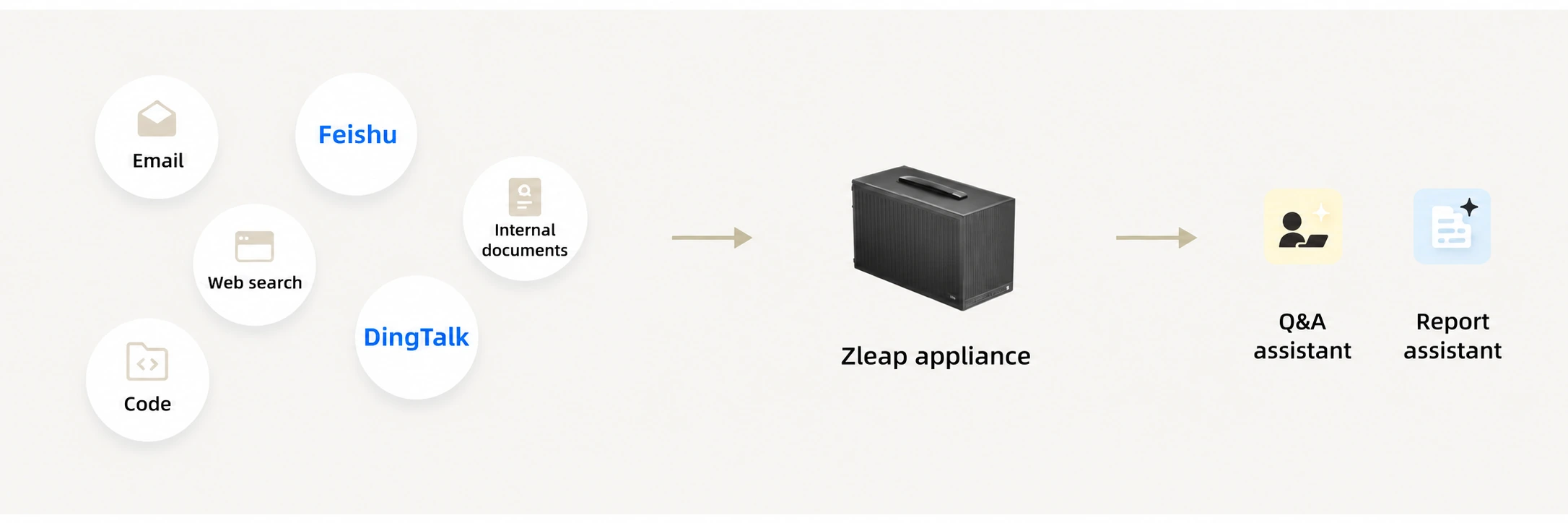
A new concept: the agent appliance
The agent appliance integrates hardware, software, compute, in-house agents, and models so users can concentrate on practical use cases and company strategy.
An AI solution designed for CEOs
Many AI products help designers create images or legal teams review contracts. Few provide tools dedicated to CEOs.
At a certain stage, a company's challenge extends beyond making money to managing its organization and sustaining profitability.
Even expensive management courses may not translate strategy into execution without supporting tools and information. A gap remains between strategy and action.
The agent appliance aims to close that gap:
- Continuous frontline information: Give CEOs access to what is happening beyond occasional samples.
- Connect detail with strategy: Preserve frontline details while supporting decisions from a broader perspective.
- An integrated workflow: Embed an agent system into everyday operations rather than combine disconnected tools.
Model-based question answering alone is insufficient. Companies need agents that resolve practical problems, a direction consistent with AI's development in 2025.
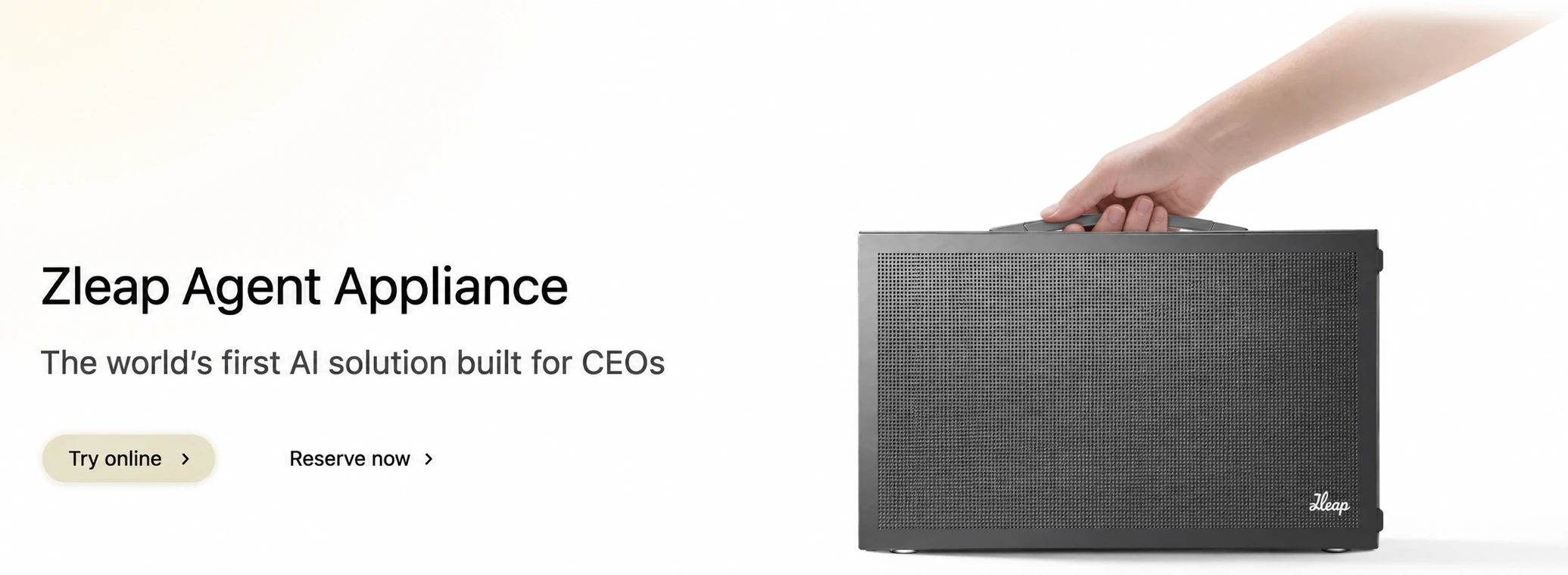
Zleap has introduced Zleap-D1, an agent appliance designed for CEOs and managers.
Its privately deployed agent system automatically collects and analyzes company-wide information to support management and decisions.
The hardware configuration is a single RTX 4090 with 48GB, 64GB of RAM, and a 12-core CPU, running a 4-bit quantized Qwen3 30B A3B model, with future upgrades supported.
Trying the new approach online
Zleap-D1 aims to provide a system that performs practical work and improves management efficiency, a proposition CEOs can evaluate directly.
To help explain the product, Zleap also offers a free web version. In a normal appliance deployment, all data runs locally.
The website exposes enterprise knowledge-base and information-extraction capabilities.
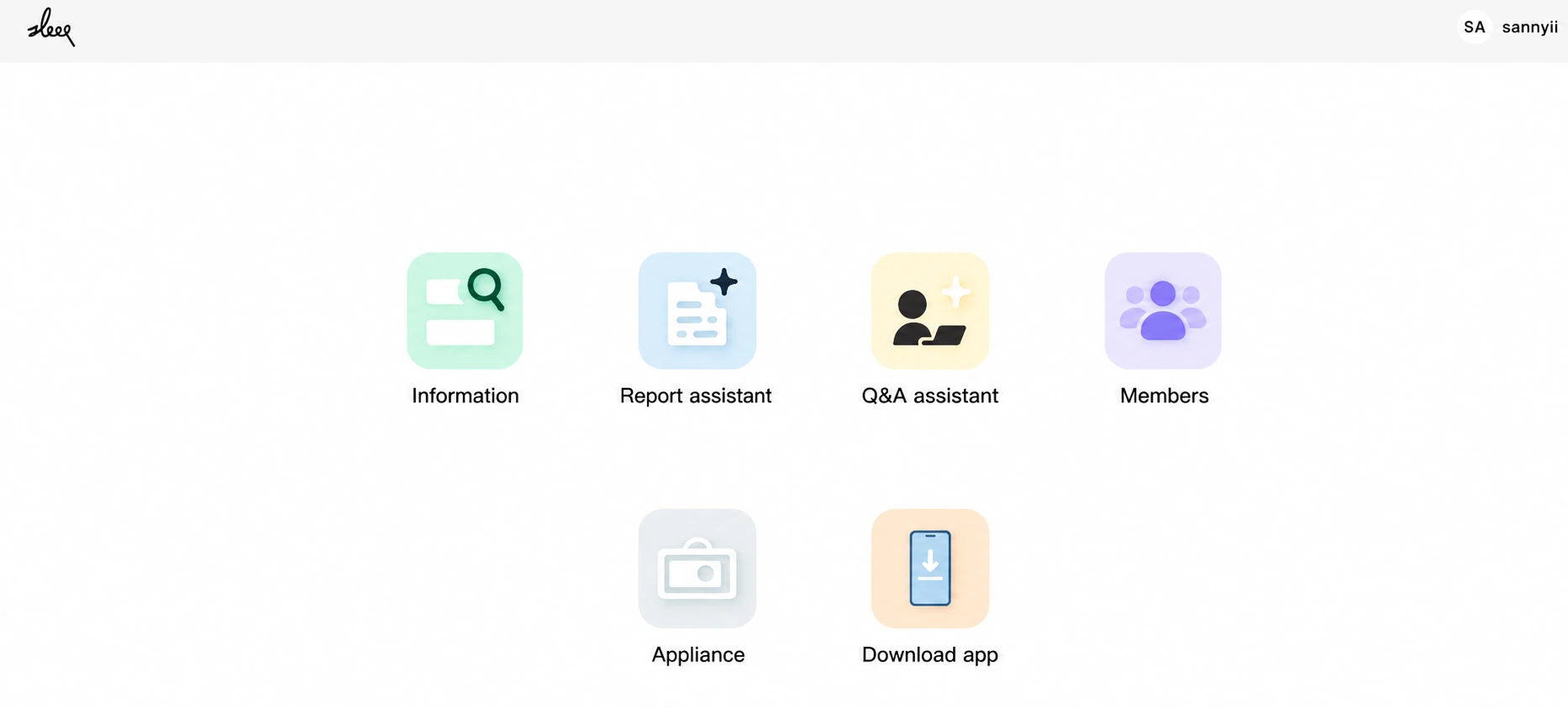
Website: https://zleap.com.cn/
Online demo: https://app.zleap.com.cn/
The online version currently supports documents and Feishu bots as data sources, with crawlers, WeCom, and DingTalk planned.
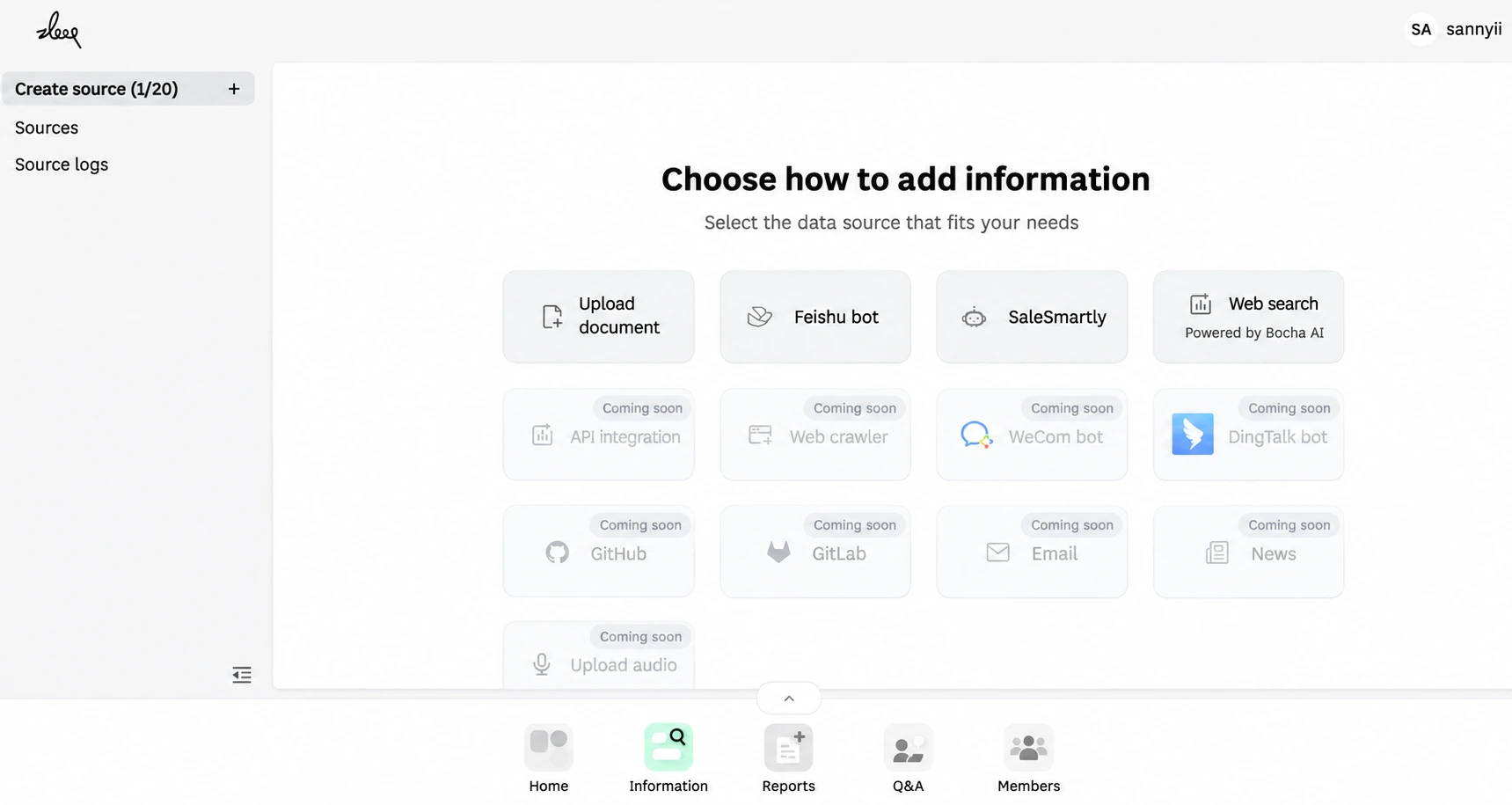
After configuring a source, users can try scheduled reports.
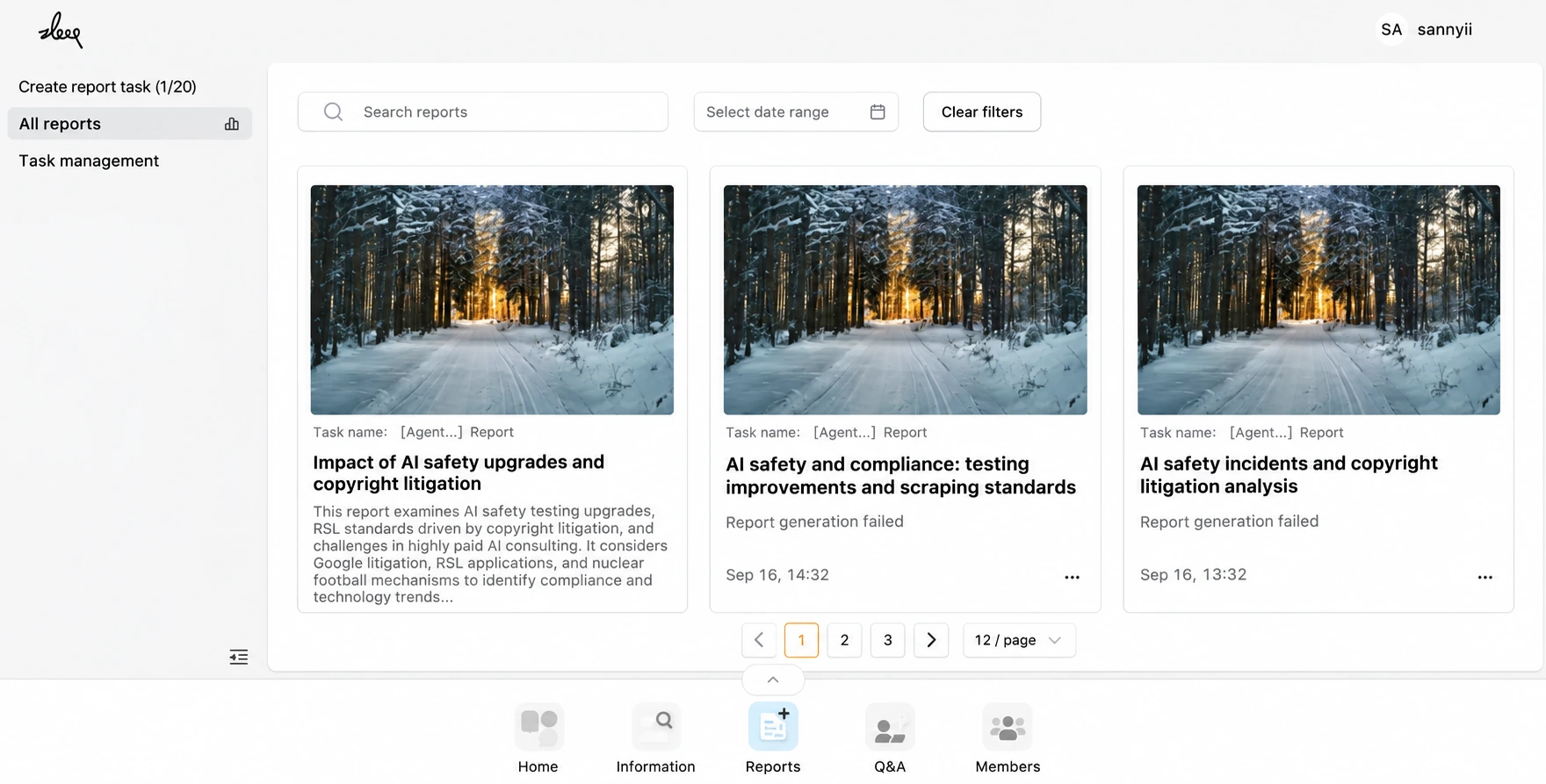
Each report includes an intelligent overview, a table of contents, and detailed analysis.
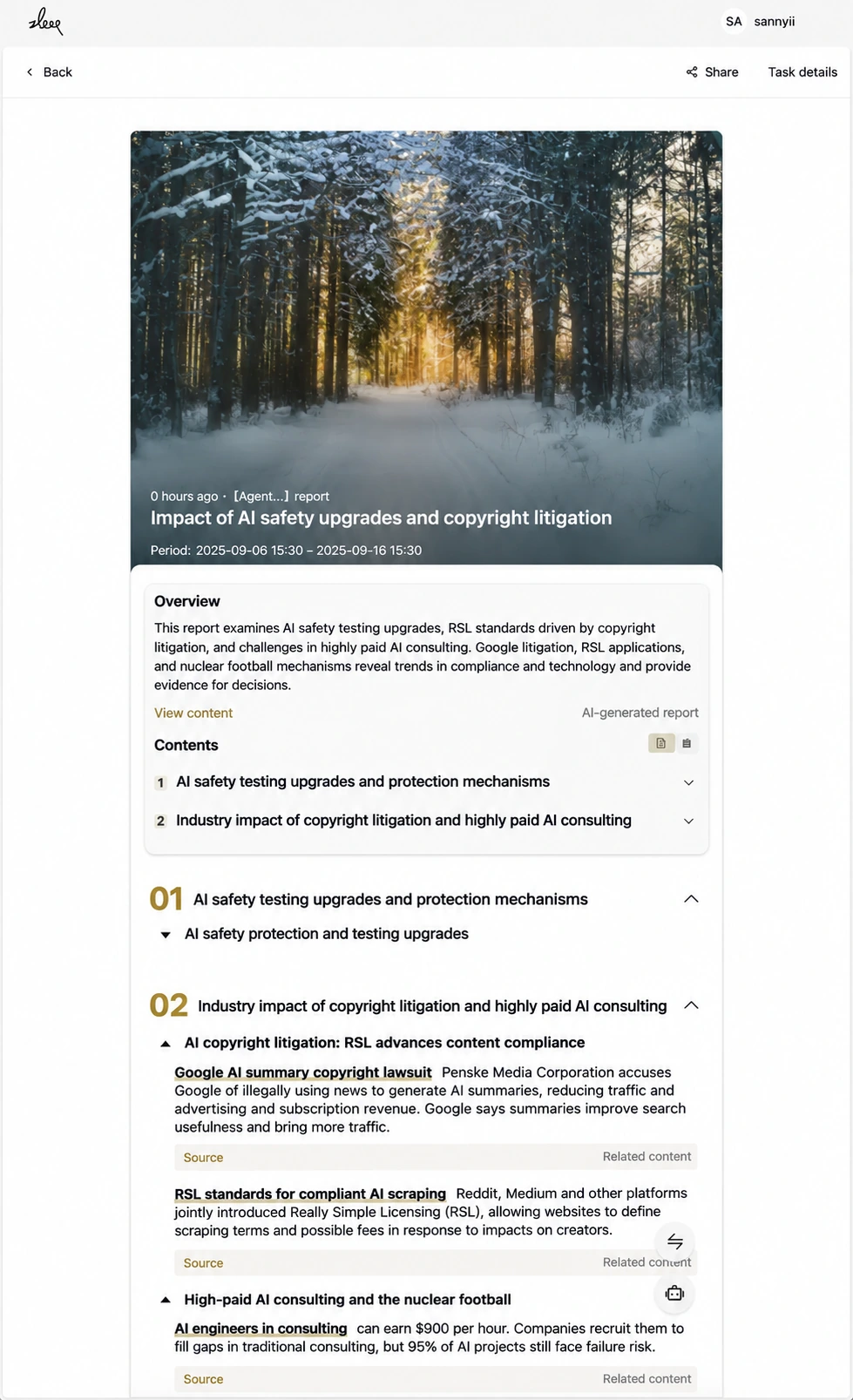
With a Feishu bot as the source, Zleap can summarize long-running group conversations to support leadership decisions and reduce information barriers.
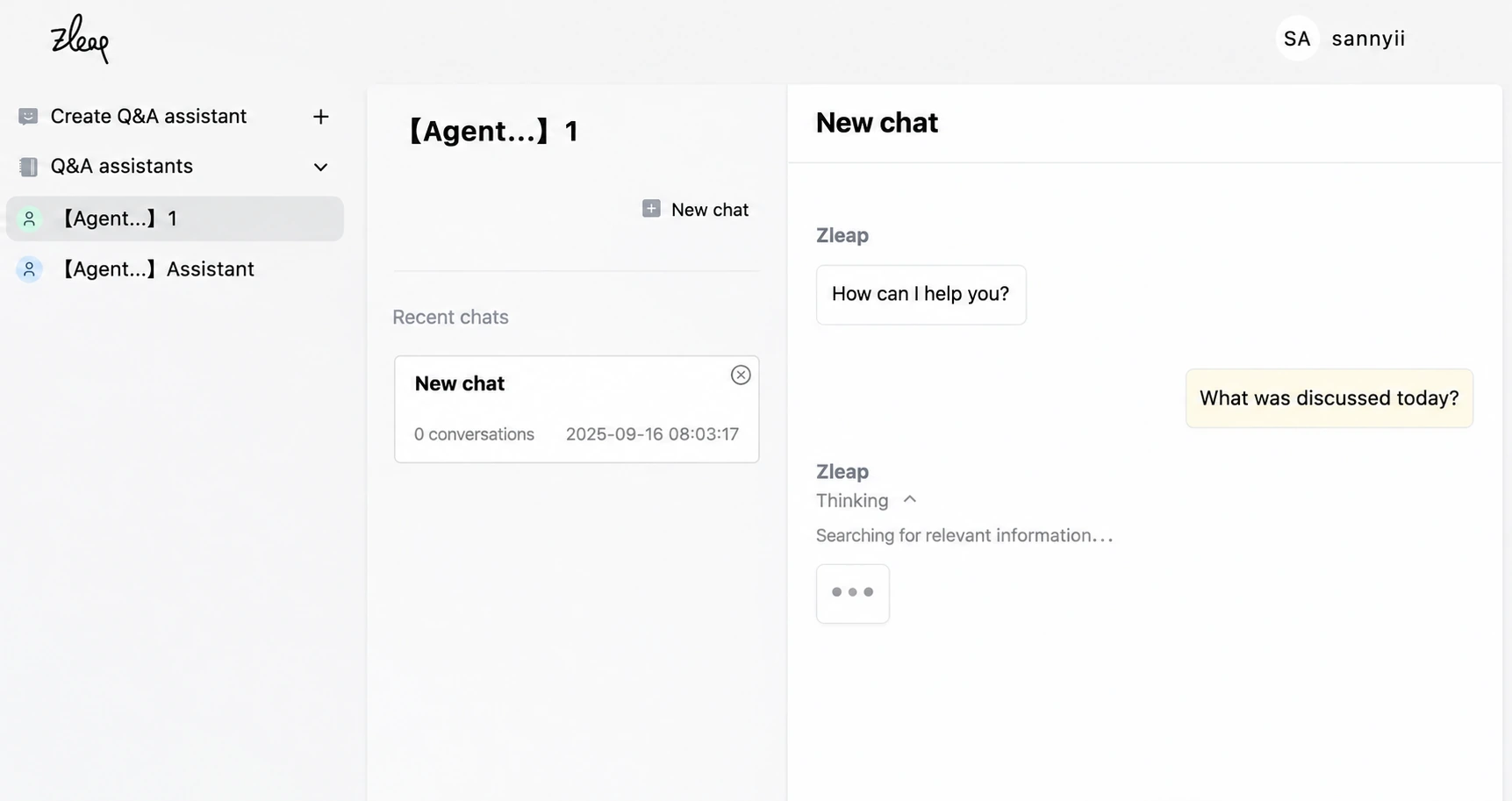
Documents can also be uploaded for a demonstration.
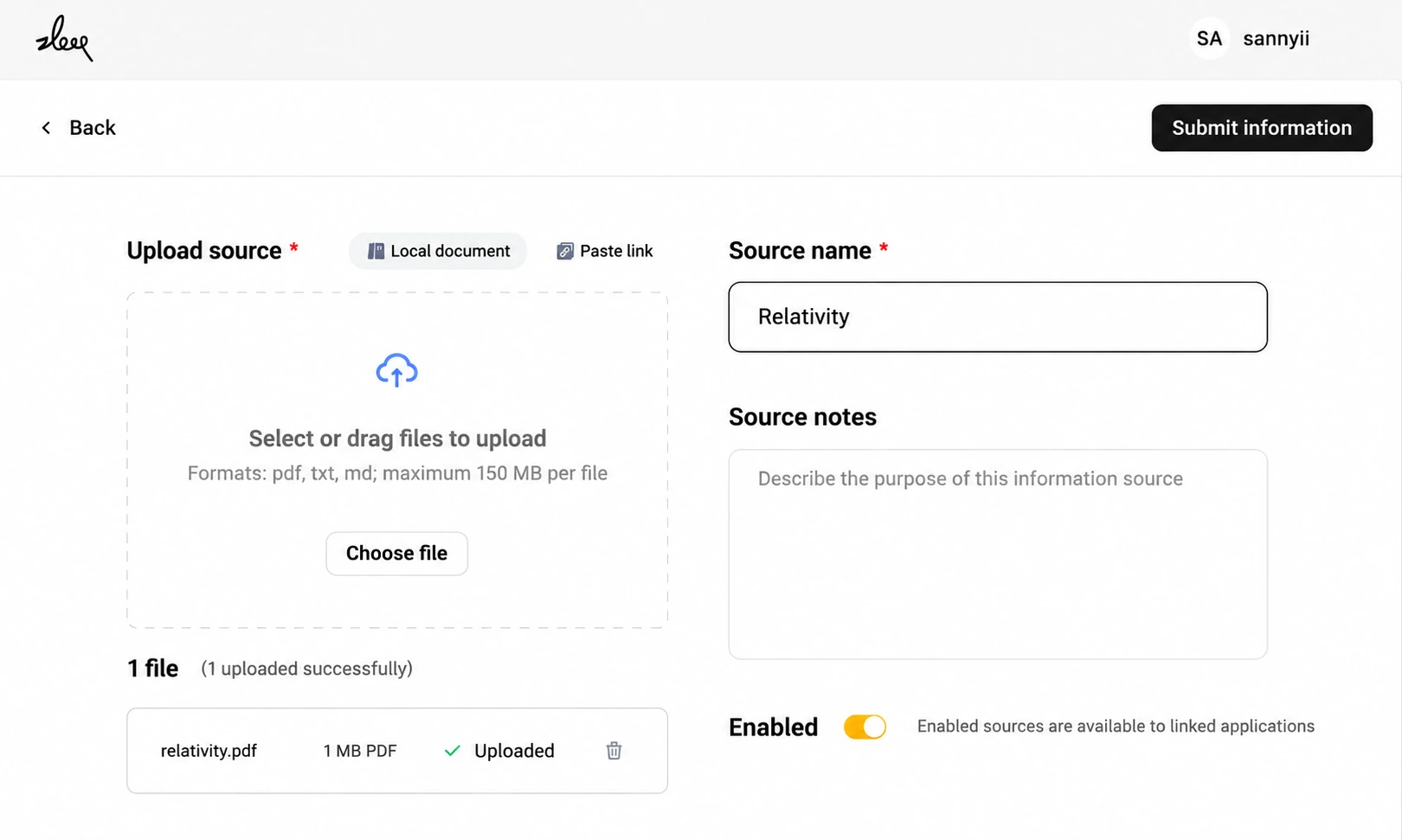
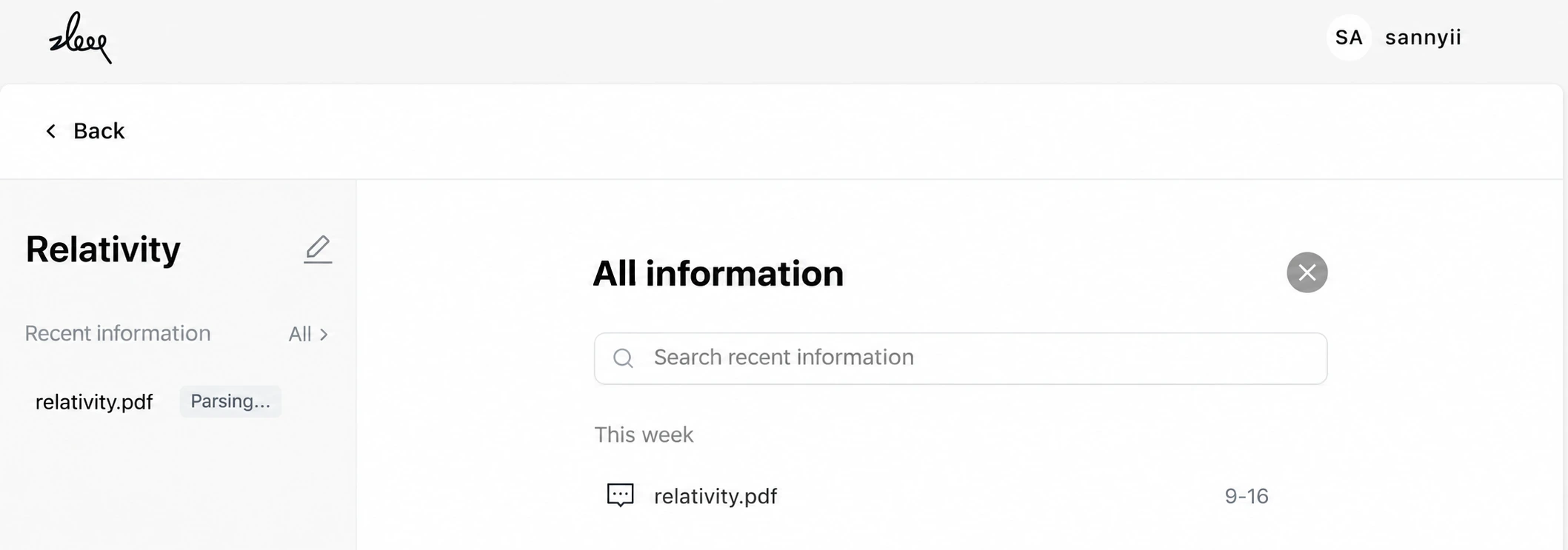
Once the backend finishes parsing the files, the report assistant and question-answering assistant become available.
Zleap-D1 as a CEO's information center
How does Zleap-D1 perform in practice?
302, an established company with a sizable team, generates large volumes of customer communication every day.
Traditional management processes can lose or distort valuable requirements as information passes through the organization.
One task for Zleap-D1 is to turn that data into information a CEO can use directly to identify important customers and needs.
Interactive analysis from broad trends to individual details
The system automatically reviews customer interactions each day and sends a summary report to the manager's app.
Each action item appears as a card, clearly showing the project name and issue details. A collapsible daily-report view helps the CEO assess priorities quickly.
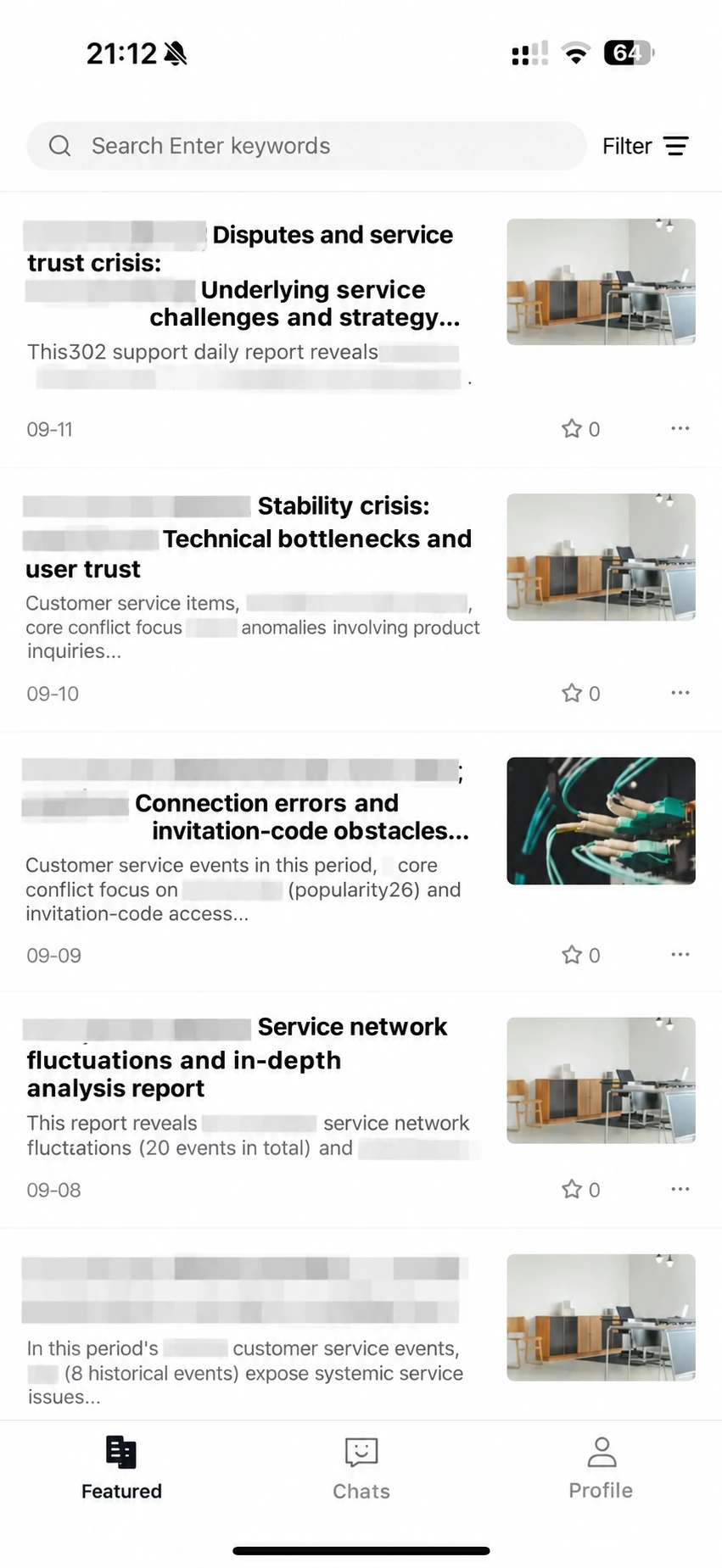
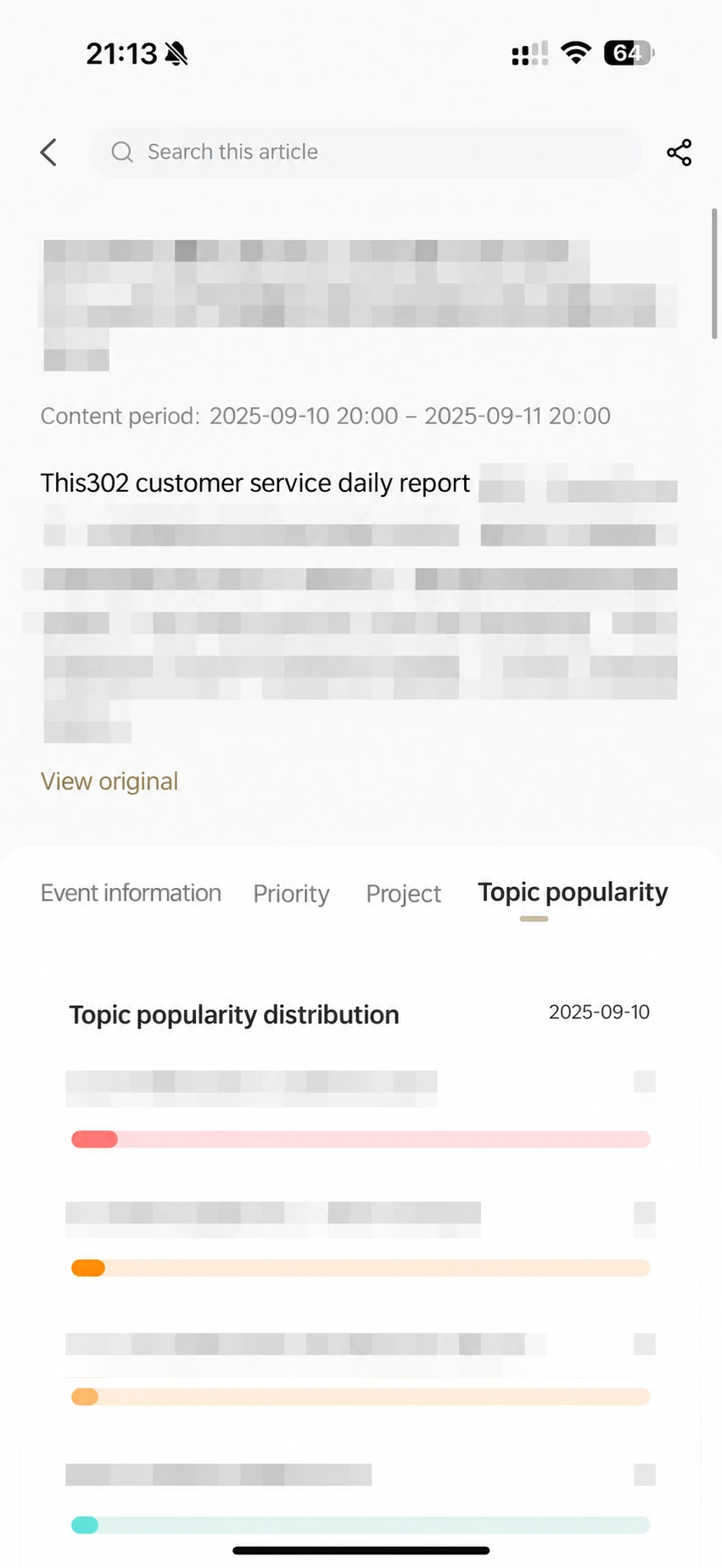
A topic-popularity view reveals recent customer concerns and emerging market needs.
Users can also ask immediate questions in natural language, much as they would ask a human assistant:
“Did any customers request a business invoice today?”
This question reflects a business insight: in many situations, requests for company invoices indicate valuable business customers.
The CEO can identify promising accounts and pass them to account managers for proactive, higher-quality service.
Consistently addressing such small needs, identified from source data, can gradually distinguish a product's user experience from competitors.
Mobile first
From the beginning, Zleap-D1 made the app its primary service interface.
The design came from an observation: the more senior the executive, the smaller the screen they may use. Some top executives rely entirely on their phones.
The product's functions and interactions therefore prioritize an efficient mobile experience.
An end-to-end solution
Why local deployment?
The local appliance reflects both customer needs and a difficult experience within the founding team.
Cloud services' usage-based pricing can create uncertainty. Companies may also pay for expensive packages containing many unnecessary features to obtain a few important ones.
With a one-time hardware investment, Zleap-D1 turns compute into a fixed asset, with electricity as the continuing operating expense.
The founders also experienced a serious loss when a long-standing SaaS supplier unexpectedly closed. Its servers shut down, permanently losing years of company communications.
That made the CEO wary of entrusting core data to third parties, particularly small vendors.
Zleap-D1 keeps company data on its own physical server. Users can access the database through clients or even directly through the command line.
Why agents?
Every workflow is designed to ensure that reports delivered to managers contain genuine, trustworthy, actionable value.
The measure is whether a real problem is solved, beyond which model the device runs.
Preprocessing agents
Simply storing large volumes of disorganized frontline information does not make it useful.
A preprocessing agent extracts important dimensions: what type of customer is this, what do they need, how urgent is it, and does it relate to another project?
The principle resembles model training: garbage in, garbage out. High-quality labeled data is needed for good models; intelligently prepared information is needed for useful analysis.
Coordinated agents
Complex business problems cannot be resolved with one enormous prompt.
Conventional AI appliance buyers often still need a development team to construct workflows.
Zleap-D1 first decomposes a broad task, such as analyzing a 10,000-character article, into hundreds or thousands of smaller tasks.
It then coordinates specialized agents for analysis, summarization, relationship discovery, and source tracing through repeated model calls.
Each call is constrained and guided by the workflow, keeping outputs consistent, reliable, and focused on business goals, and reducing instability when small models make unrestricted decisions.
Toward a group of specialized agents
Zleap's approach also creates reusable, integrated hardware and software infrastructure.
The company plans to continue serving managers at China's millions of small and medium businesses while expanding into other roles, beginning with a coding appliance.
Its memory and retrieval architecture has already shown advantages in processing code.
Replacing the underlying general model with one trained through reinforcement learning for programming could produce a personal coding server that runs locally around the clock without the rate limits of cloud tools such as Cursor.
Ultimately, Zleap aims to use the infrastructure to develop appliances for legal, finance, sales, and other functions, creating a coordinated group of enterprise agents.
Reference: https://zleap.com.cn/