
The Coordination Deficit: Individuals Accelerate, Enterprises Stall
Why individual AI productivity does not automatically improve organizational performance, and how shared knowledge, agent governance and field implementation can help.
Why do enterprises struggle to absorb the productivity gains of the AI era?
- AI increases individual capacity without automatically redesigning organizations.
- Faster individuals do not necessarily make a faster enterprise.
- More output can create more coordination costs.
- Individual productivity is growing faster than organizational coordination capacity.
We call this gap the coordination deficit.
01 | People Are Getting Busier in the AI Era
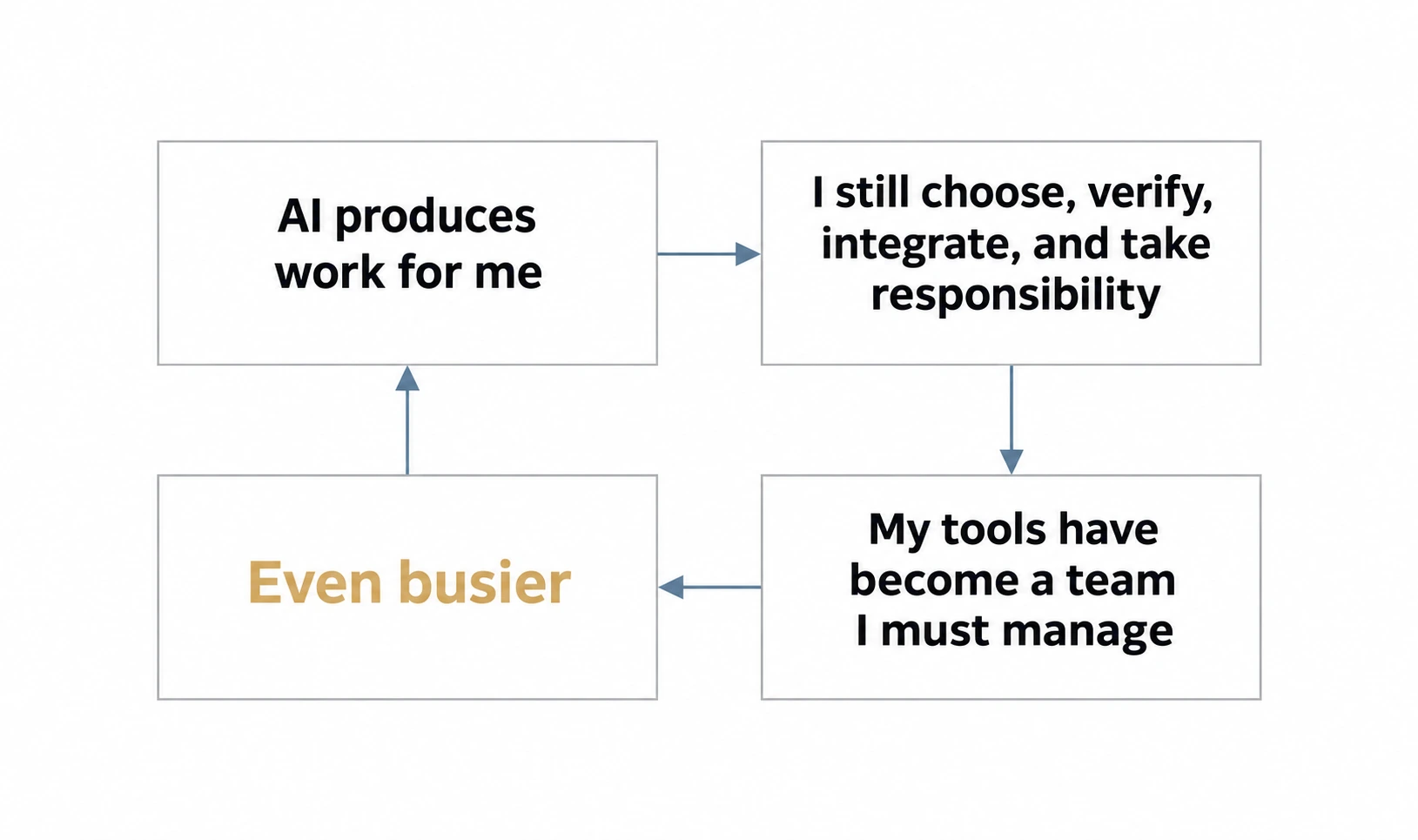
Last week, a Zleap engineer described an interesting situation:
Asked to modify a small piece of code, an agent quickly finished—but also rewrote the entire module, creating rework.
He said engineers now need project-management skills as well as coding: breaking down goals, supplying context, setting boundaries and organizing execution.
As AI has moved from chatbots to agents, work has shifted from copying and pasting out of a chat window to saying yes or no to agents. Individual production increasingly involves managing a team of agents.
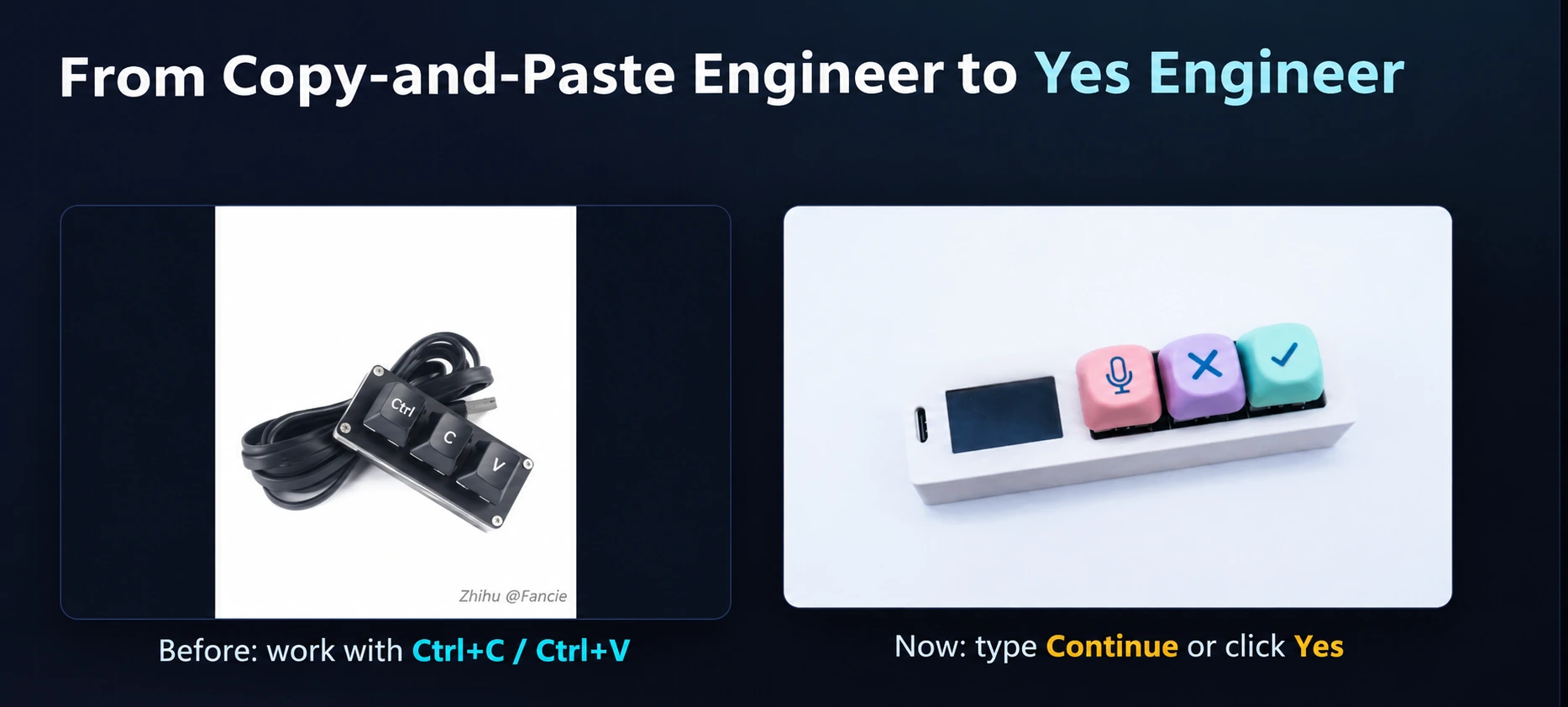
Source: an internal Zleap presentation.
AI can research, draft plans and modify code, but few people would send its output straight into production. People bear the consequences and must review and accept the work.
Everyone feels busier. More tasks are attempted, with no reduction in time or tokens, yet results may remain unfinished and no closer to the goal.
This coordination deficit has two levels.
At the individual level, output grows quickly while attention remains limited.
At the team level, arrangements for task division, scheduling, handoffs, review and acceptance have not caught up with rising individual output.
The process that turns individual output into organizational results remains long and slow, limiting efficiency gains.
02 | Enterprises Coordinate as Well as Produce
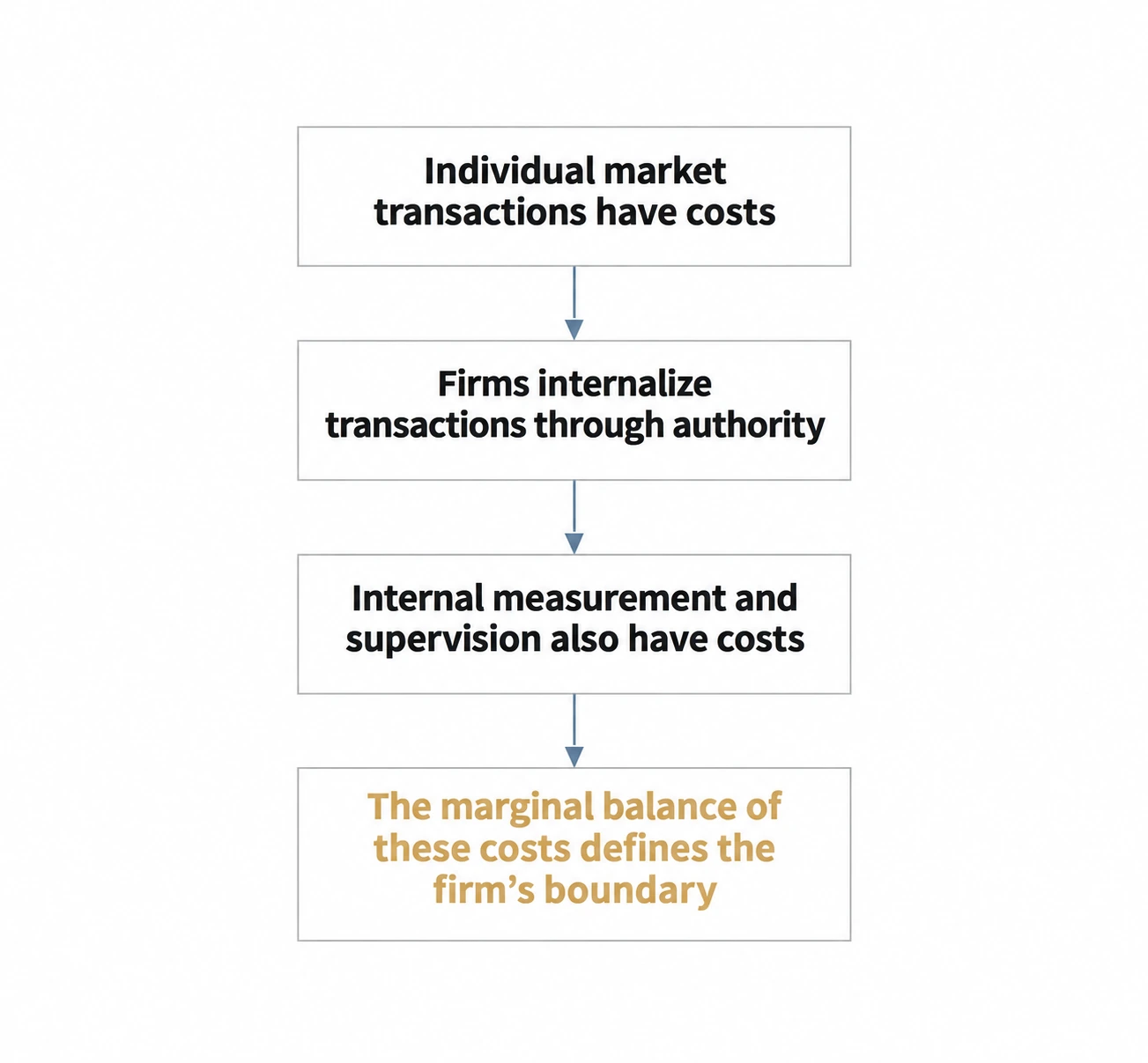
Since Adam Smith's work in 1776, we have understood enterprises through specialization and division of labor. Larger markets encourage finer specialization, greater expertise and increased output. Modern enterprises organize people with different specialties into joint production.

Adam Smith (1723–1790). Source: Wikipedia.
In the 1930s, Ronald H. Coase asked a foundational question:
If markets can allocate resources, why do people form firms?
His answer was that market transactions are not frictionless. Each transaction requires finding a partner, obtaining and negotiating prices, contracting and ensuring performance. Firms substitute internal authority for repeated use of the price mechanism, reducing some transaction costs.
But firms create internal costs too, including measuring intermediate output, managing labor and supervising agents at different levels.
Firms therefore do not expand indefinitely. Their boundary is reached when bringing another transaction inside costs at least as much as conducting it through the market.
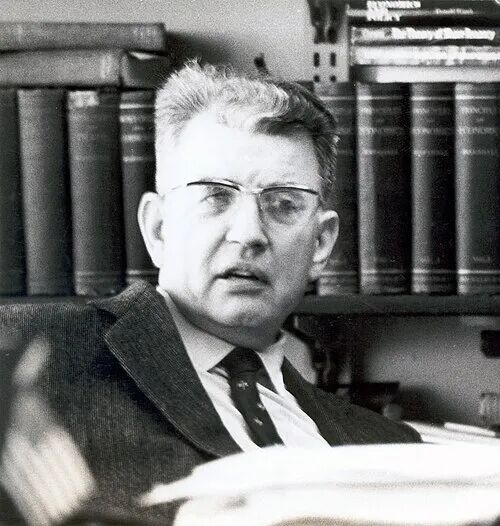
Ronald H. Coase (1910–2013). Source: Wikipedia.
Oliver Williamson and others later developed this approach, examining which governance structures work best under different conditions.
An enterprise's value lies in coordinating dispersed actions as well as improving production efficiency.
03 | AI Delivers Productivity—and a Coordination Bill
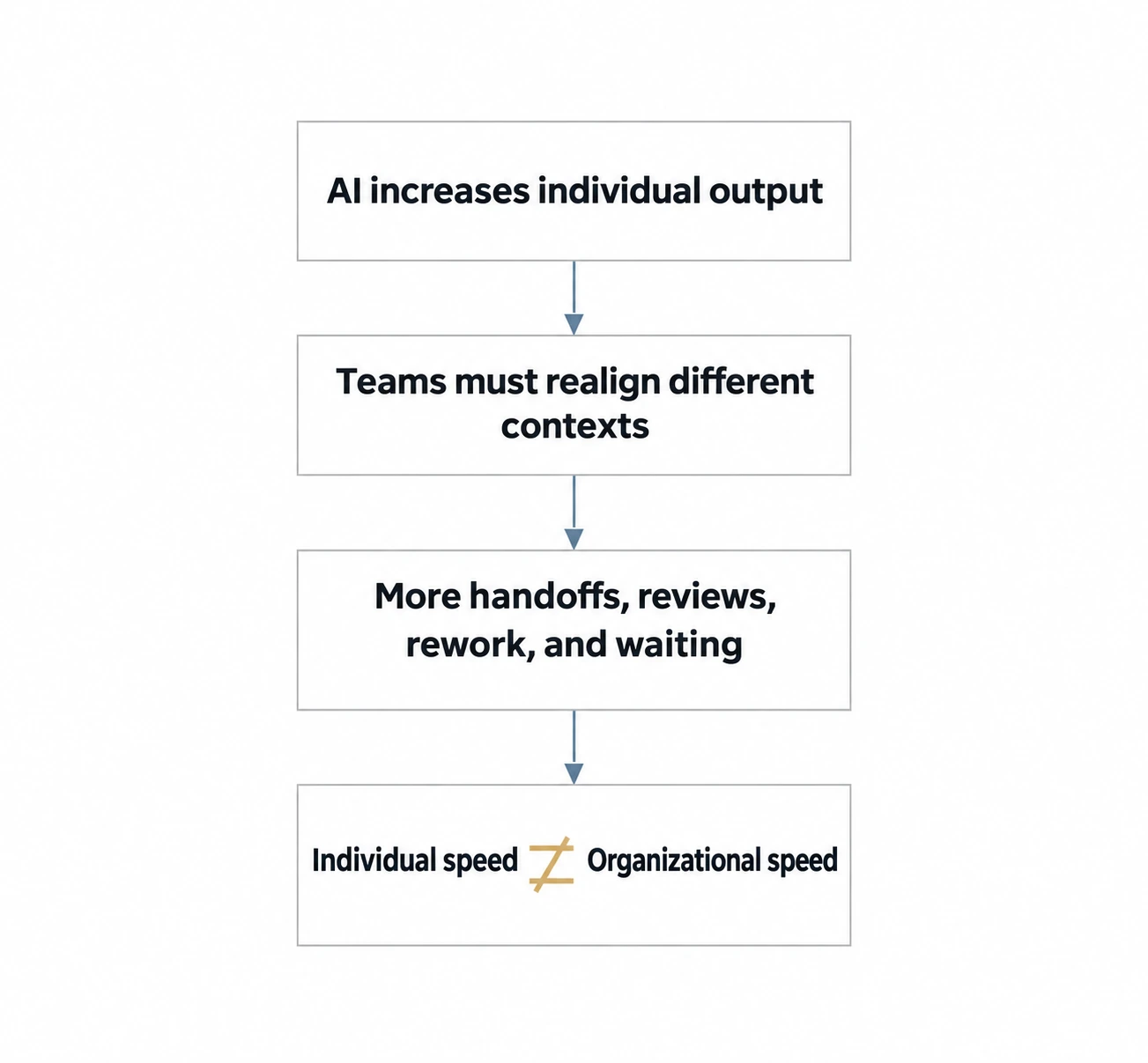
AI first expands individual production capacity, but also increases the work of coordinating AI: choosing models and agents, supplying context, checking output and combining results into an executable next step.
Teams face another layer of coordination.
People must manage their own AI tools while aligning with colleagues and their AI systems.
A team may generate five plans in one day and spend two days deciding which to use. Everyone advances their tasks, only to discover at review that they have been addressing different problems.
Existing roles, performance goals and appraisal systems were designed around earlier levels of individual capacity. They have not necessarily adapted to AI's sudden expansion of that capacity.
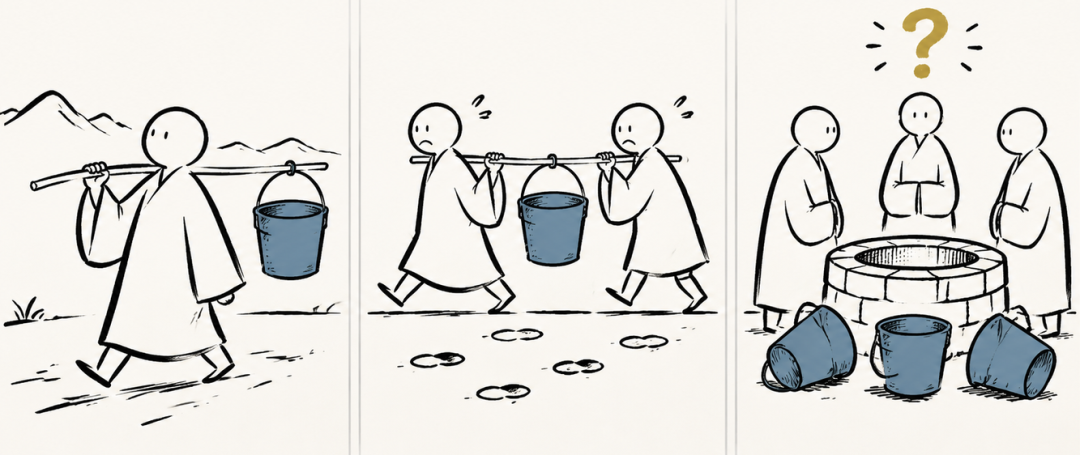
The Chinese story of three monks with no water illustrates a basic collective-action problem: individual effort does not automatically become coordinated action.
A coordination deficit develops when employee capabilities expand without shared context, common standards or clear responsibilities.
Horizontally, stronger individuals still face coordination costs with one another. Vertically, managers receive more AI-generated information but must judge its reliability.
AI does not create coordination costs from nothing. Faster production exposes existing organizational difficulties more sharply.
04 | Zleap's Exploration: Connecting Knowledge, Agents and the Workplace
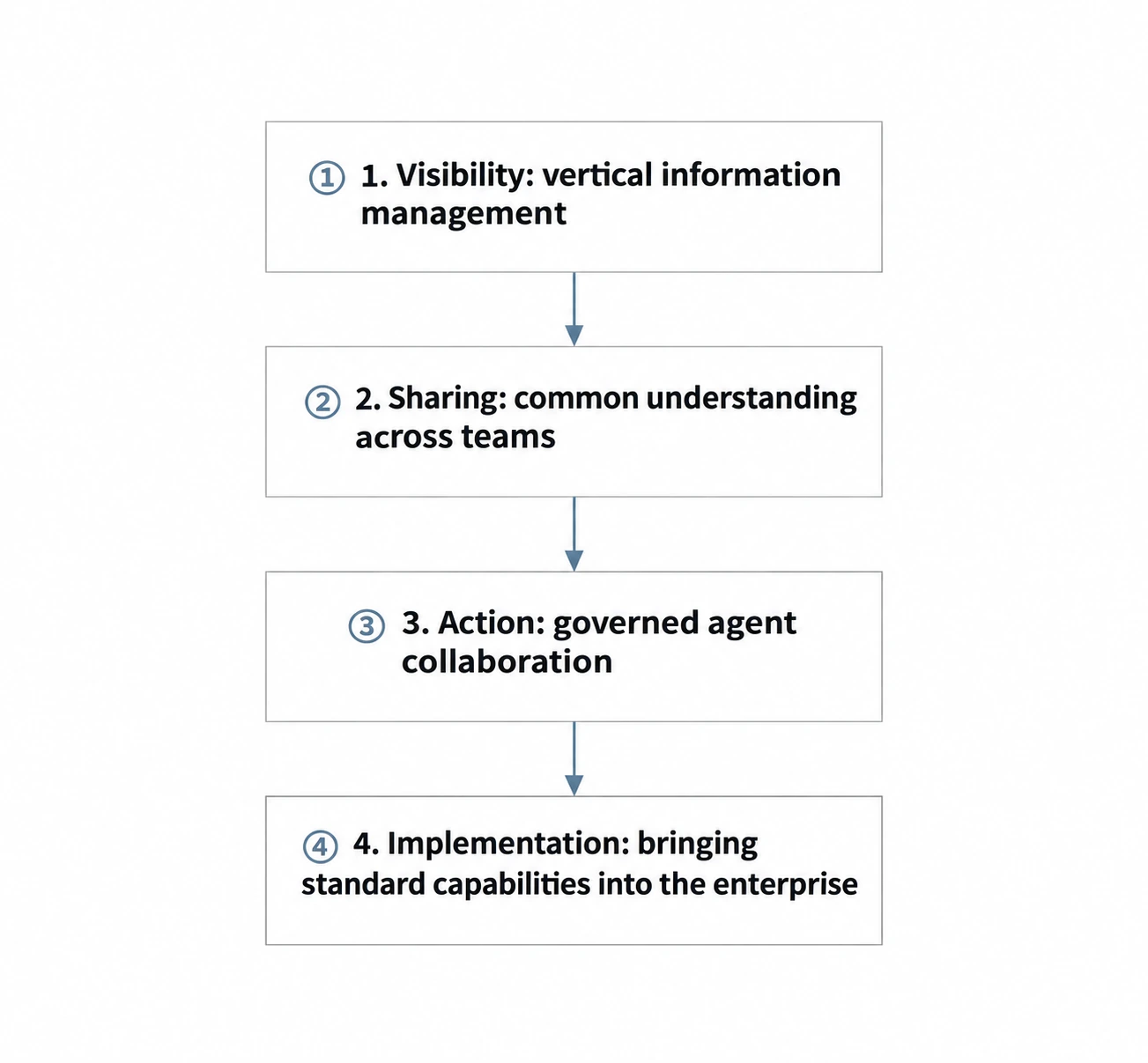
If enterprises turn dispersed actions into collective results, the AI-era challenge includes redesigning coordination. This is the starting point for Zleap's work on SAG, Zleap OS and FDE.
Step One: Help Managers See the Organization
As Zleap founder Jomy managed growing companies, he found it increasingly difficult to hear unfiltered information and understand what was happening on the front line.
This is a broader challenge of scale and governance. In Soulstealers, Philip Alden Kuhn describes how a popular panic passed through layers of local reporting and affected central judgments in Qing China.
The story illustrates information governance in large organizations: reports are selected, amplified and distorted as they move upward. More information does not necessarily produce judgments closer to reality.
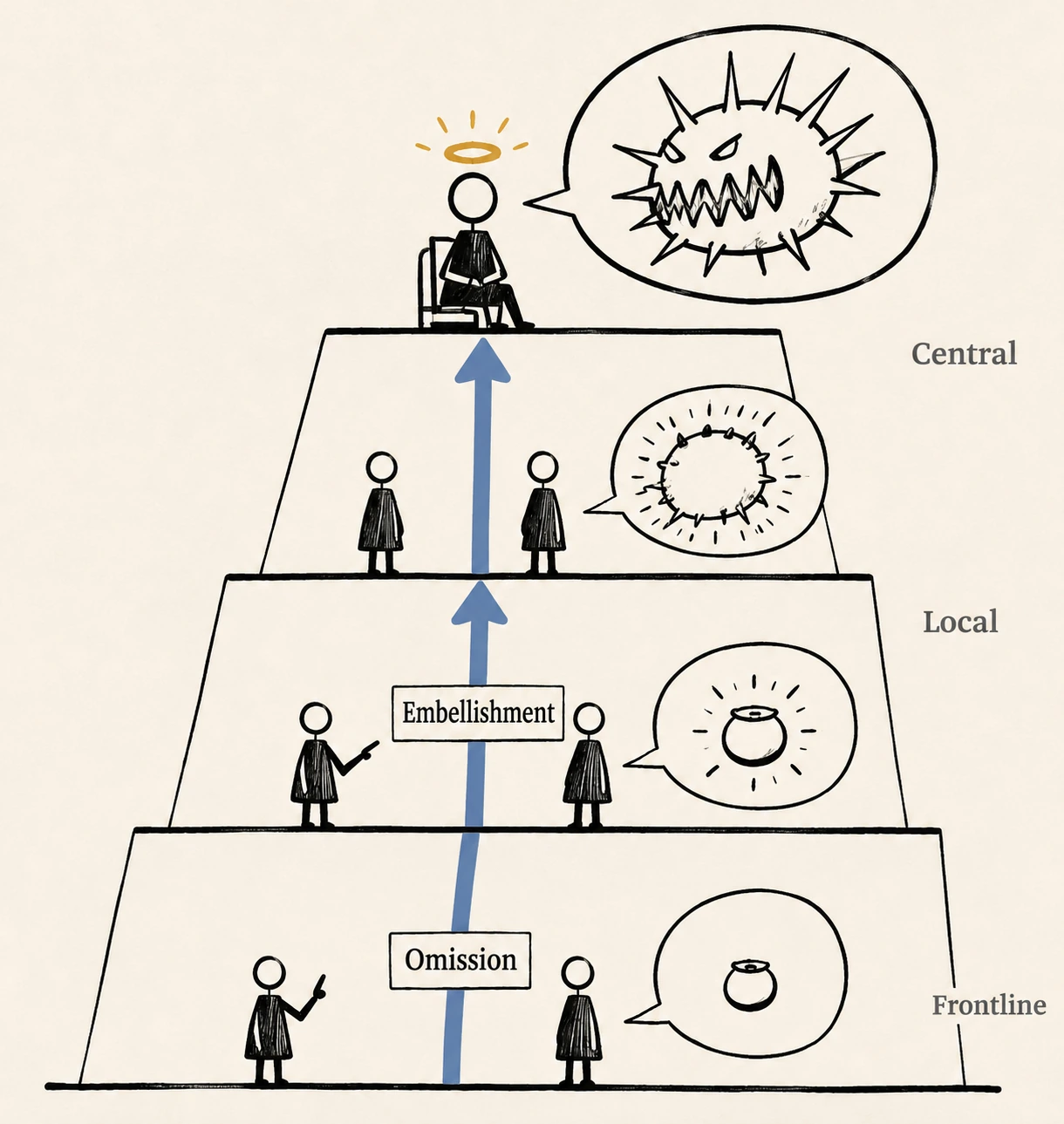
Last year, we initially aimed to improve business reporting with AI. We built the SAG knowledge base and launched D1, an appliance combining LLM, agent and context infrastructure to serve as an information hub for CEOs and managers.
D1 aggregates business systems, project records and internal communication. It first addresses how vertical information reaches managers and becomes a trustworthy shared account of events.

Zleap D1 agent appliance.
But seeing the organization is only the beginning of action.
Step Two: Share Knowledge Across the Organization
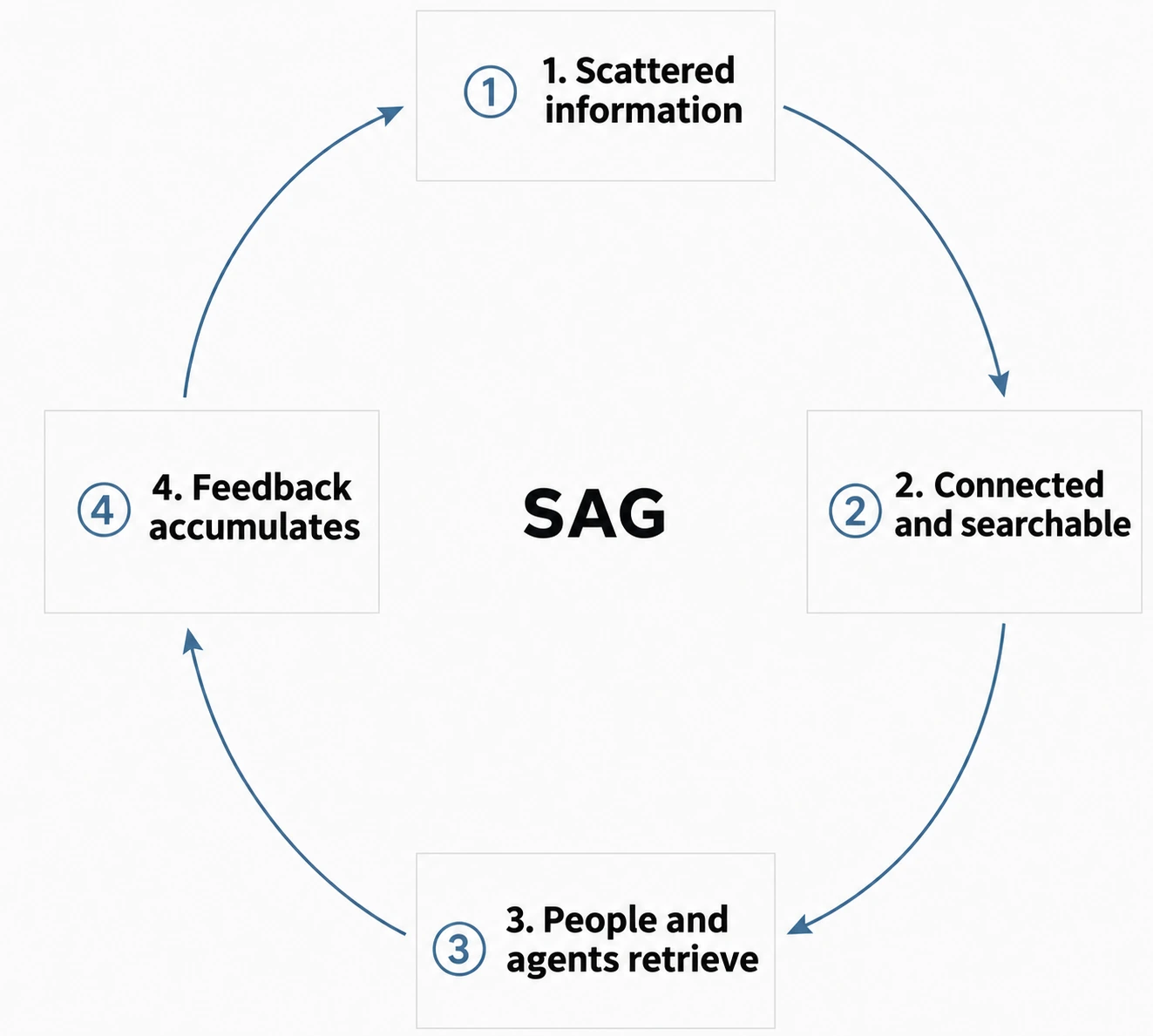
As more colleagues used AI and we examined frontline workflows, we found that coordination was also a problem of collaboration across roles.
This year, we began expanding SAG and D1 from a manager's information hub to a shared knowledge hub and foundation for organizational decisions.
SAG connects dispersed material and data into retrievable, related information. People and agents can then find common evidence when working on tasks. Shared knowledge helps different people form a shared understanding.
Step Three: Give Acting Agents a Place in the Organization
As agents move beyond tools and take on independent tasks in more roles, coordination becomes a deeper question.
We began exploring how to deploy their abilities more fully, so they could take responsibility for complete tasks and participate in organizational collaboration.
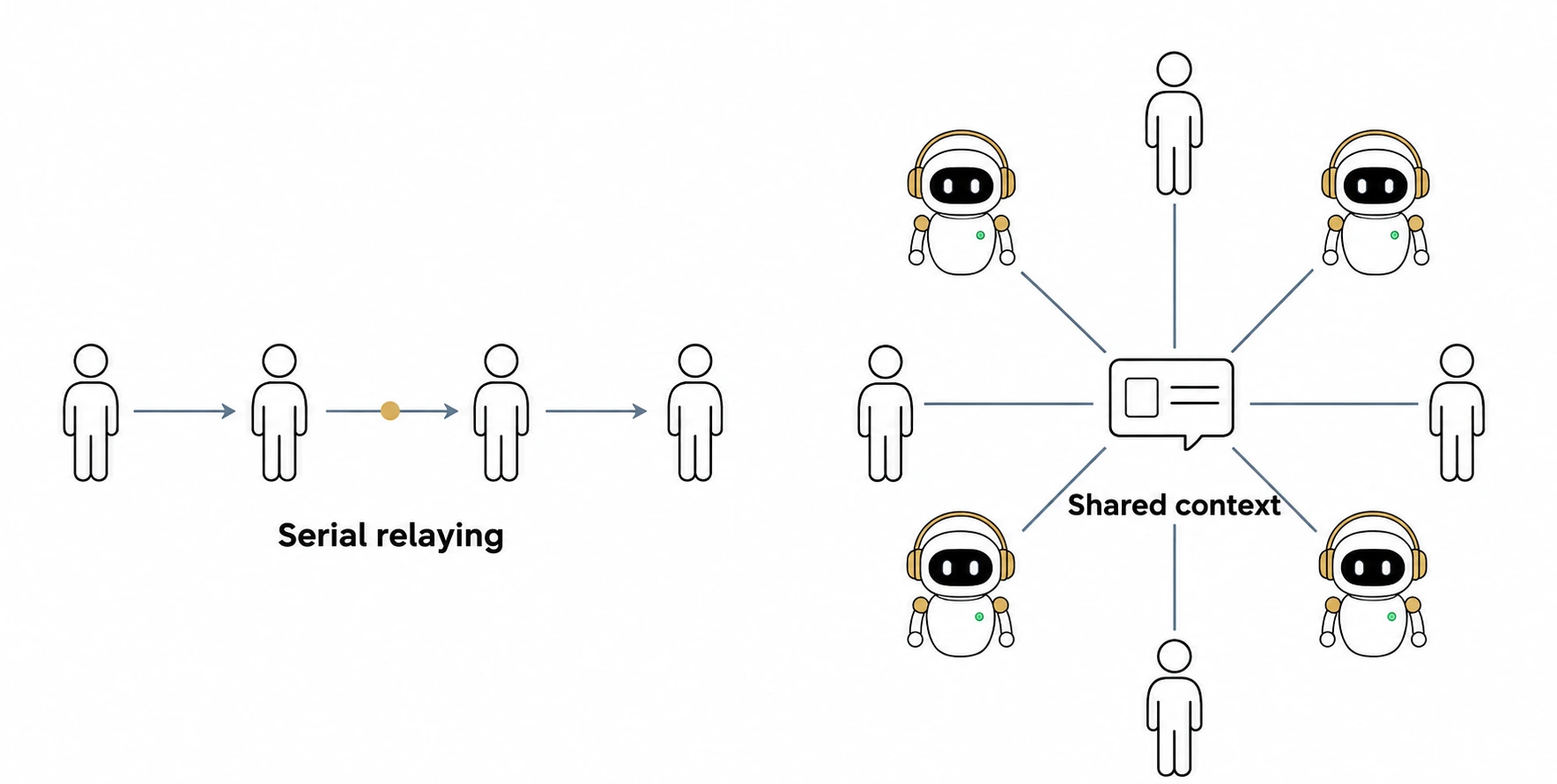
This requires controllable agents.
Which project does an agent belong to? Whom does it represent? What can it read or invoke? Which decisions must return to a person, and who is responsible for problems? These questions need answers before enterprises can trust agents with more complex work.
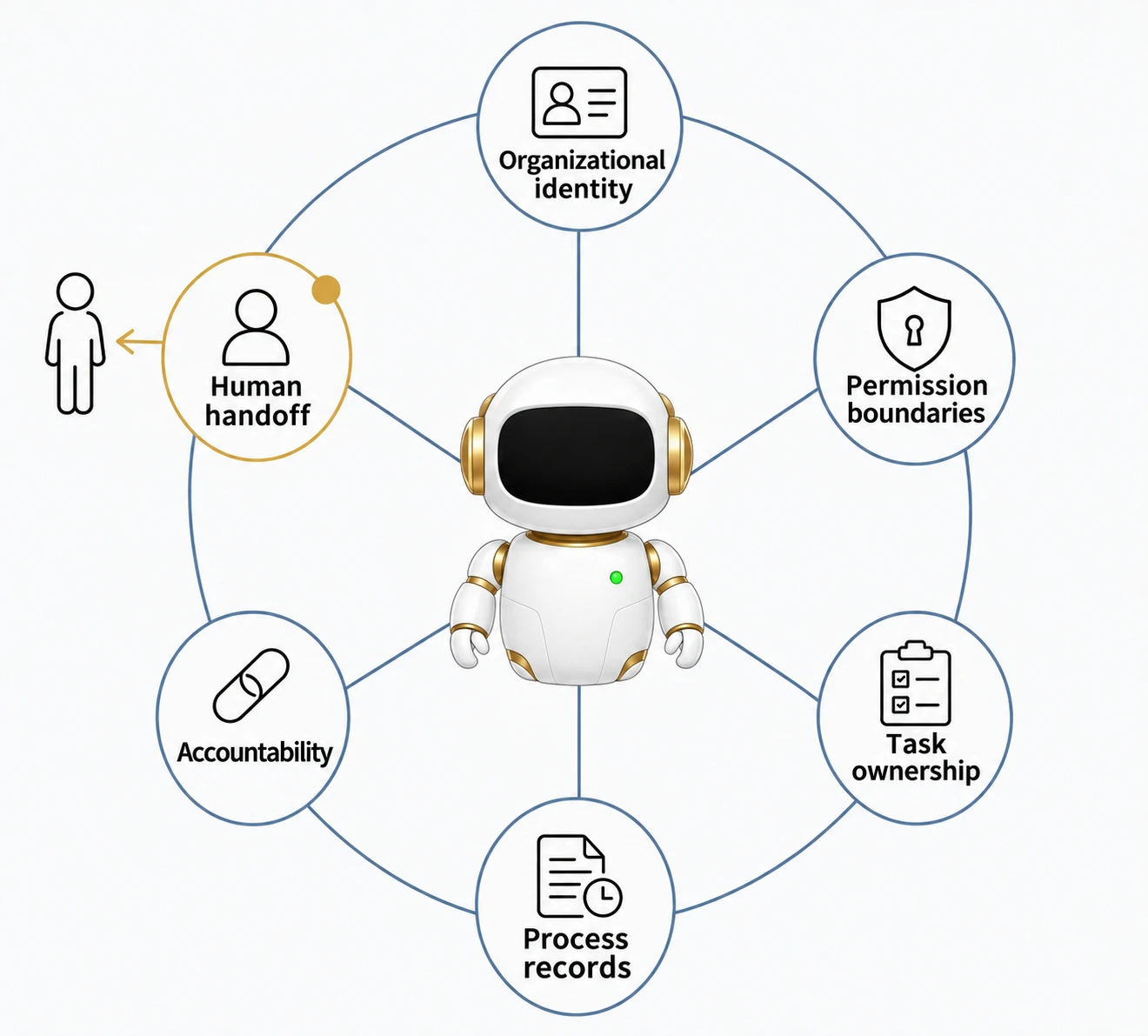
We therefore began building Zleap OS as an agent orchestration system. It gives agents an organizational identity within human-led organizations and defines permissions, task ownership, execution records and responsibility chains, enabling governed collaboration.
Step Four: Put Standard Capabilities into Practice
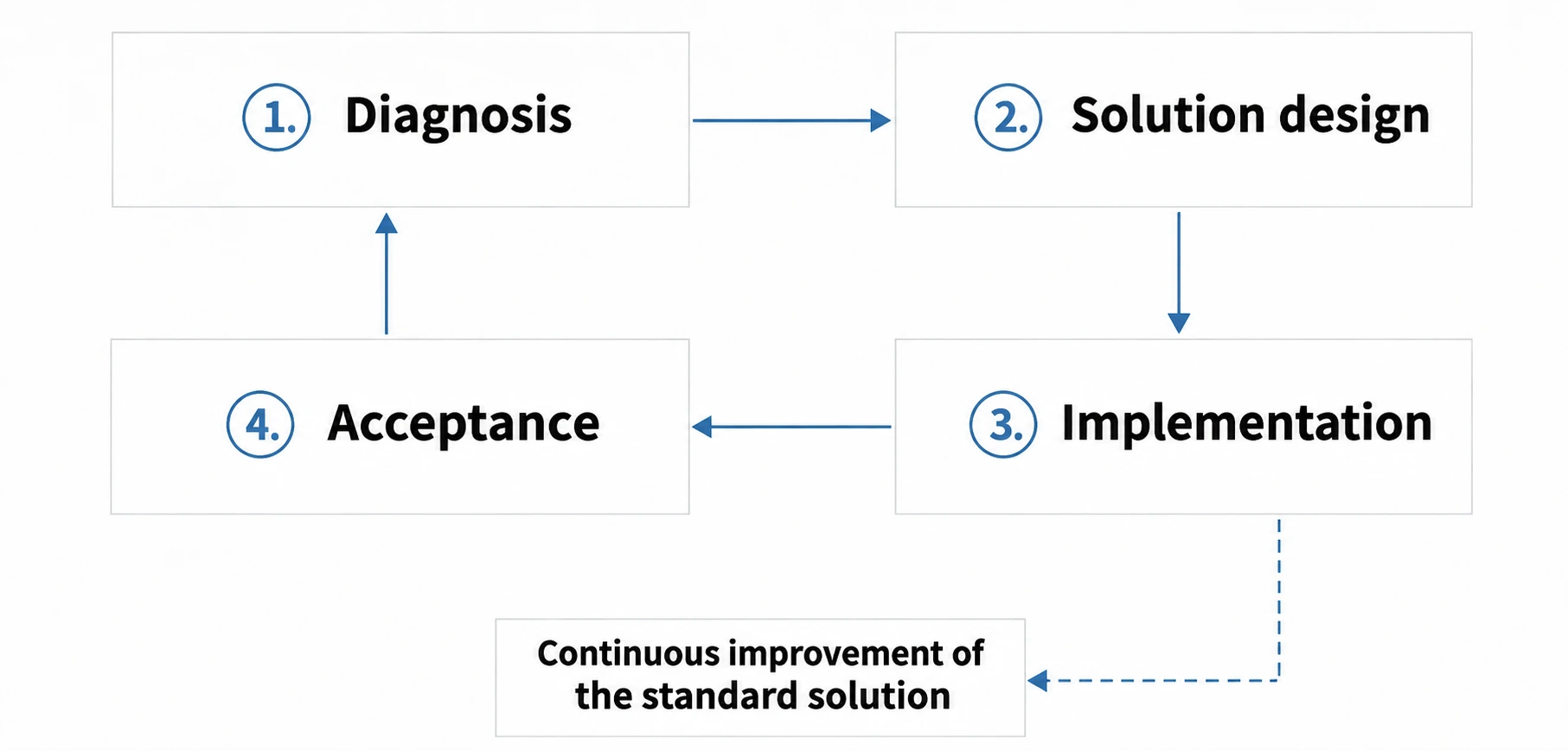
SAG and Zleap OS do not automatically fit every enterprise. Different sizes, industries, politics and social relationships produce different coordination problems.
Forward Deployed Engineers bring standard technology and products into each workplace, diagnose its needs, and design and implement AI adoption.
They also return field experience to the product team, improving the standard solution and accumulating implementation knowledge.
Zleap's approach develops along this path: SAG organizes knowledge, Zleap OS organizes agents, SaaS and appliances provide standard delivery options, and FDE brings the capabilities into the enterprise.
05 | This Is Only a Beginning
Good coordination can reduce waiting and repeated communication, leaving more attention for judgment and creation.
Many companies, including Zleap, are building organizational infrastructure to address the last stage of enterprise AI adoption. This infrastructure also directly improves production efficiency.
For example, SAG can supply new employees with company context to shorten onboarding and provide task agents with specialized knowledge.
But effectiveness depends on fit with a particular enterprise as well as the underlying theory. Many questions remain:
- How should employees' intellectual property and contributions be protected when their knowledge is incorporated?
- How should employee privacy be protected as information moves faster?
- What other safeguards will be needed?
These questions require negotiation among society, government, law and markets.
A Question for All of Us
Is AI merely a tool used by employees, or an organizational member that can accept tasks, receive authorization and deliver results? How do those roles differ?
A further question echoes the young Marx: as machines take over more cognitive labor, might people be reduced to accepting tasks and signing for responsibility? How can judgment, creativity, care and accountability remain meaningful human activities?

Karl Marx (1818–1883). Source: Wikipedia.
We can continue that discussion in the next article.
If Your Organization Faces This Gap
If everyone is becoming more productive but the path from individual output to organizational delivery is slowing down, your organization may have a coordination deficit rather than an execution problem.
Add our enterprise WeChat contact and mention “Enterprise AI” to discuss your situation.

Previous article:
From Transformer to Transformation: Challenges and Paths for Enterprise AI
Sources
- Ronald Harry Coase, The Nature of the Firm, Economica, No. 16, 1937, pp. 386–405.
- Stanford HAI, AI Index 2026: 88% of surveyed organizations used AI in 2025.
- McKinsey, The State of AI, global survey (2025): approximately 88% used AI in at least one function, while approximately 6% qualified as high performers.
- Oliver E. Williamson, Markets and Hierarchies: Analysis and Antitrust Implications, New York: Free Press, 1975.
- Philip A. Kuhn, Soulstealers: The Chinese Sorcery Scare of 1768, Harvard University Press / Belknap Press, 1990. Chinese translation by Chen Jian and Liu Chang, Shanghai Joint Publishing, 1999.
Keep reading
Insights
From Transformer to Transformation: Challenges and Paths for Enterprise AI
Seven challenges in enterprise AI use and organizational relationships, and two paths forward through context infrastructure and organizational integration.
Technology
SAG Paper V2 Is Here
SAG V2 improves pruning and evaluates retrieval, question answering, dynamic hyperedges, entity handling and large-scale queries.
Product
After 2,000 Stars, We Turned the Knowledge Base into a Knowledge Universe
Introducing SAG V2: an interactive knowledge explorer with list, 2D and 3D views, an independent knowledge engine, open interfaces and flexible storage.